
Dental Crown vs Filling: How Your Dentist Decides Which One You Need
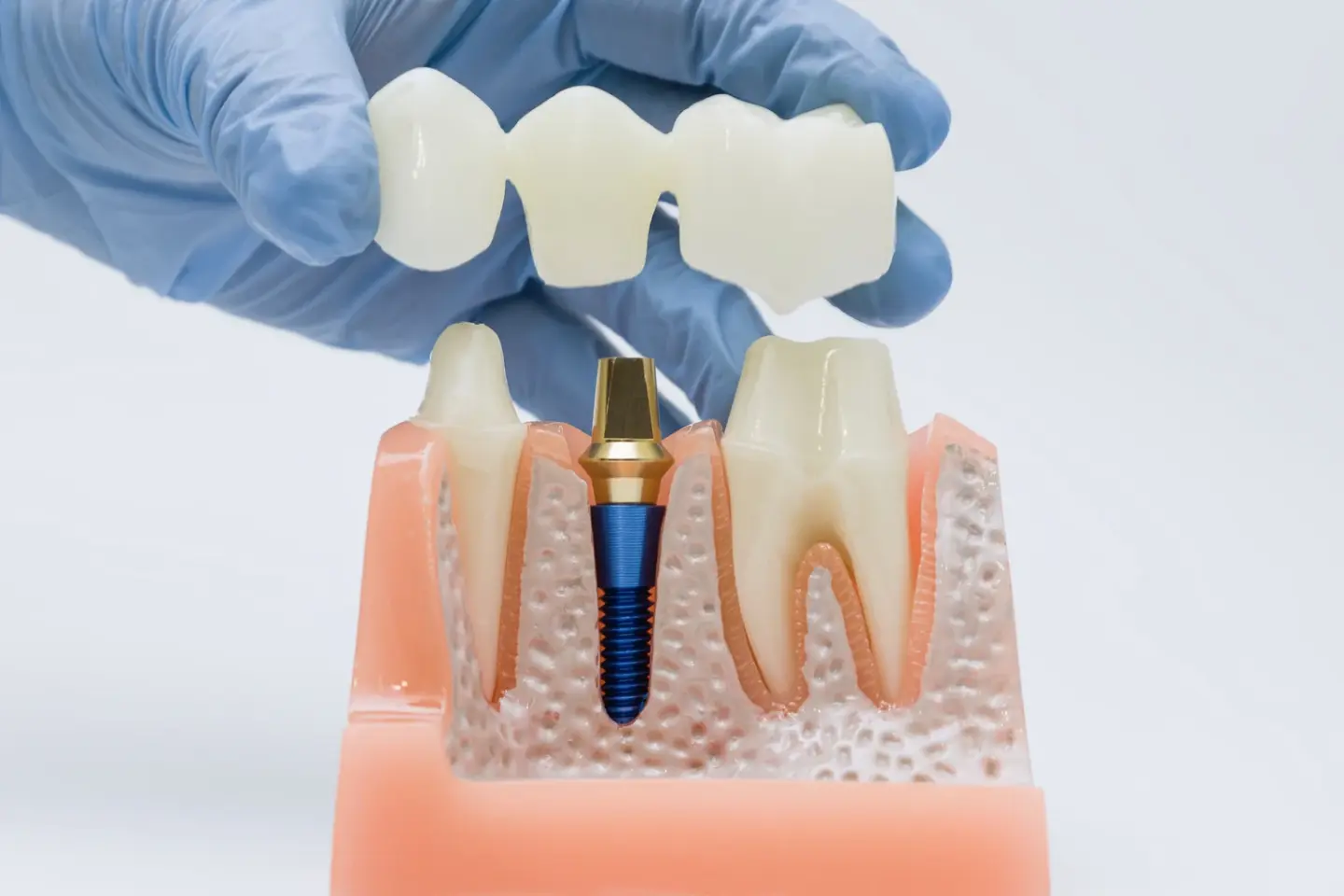
When a tooth develops decay or becomes damaged, your dentist may recommend a filling or a dental crown to restore it. While both treatments can repair a damaged tooth, they are designed for different situations.
A filling is generally used to repair a tooth with a smaller or more limited area of damage. A crown, on the other hand, covers the visible portion of a tooth and may be recommended when a tooth has lost more of its structure or needs additional protection.
At Manteca Smiles, we provide restorative dental care in Manteca, CA to help patients address damaged, decayed, or weakened teeth. Understanding the difference between a dental crown and a filling can help you better understand why your dentist may recommend one treatment over the other.
What Is a Dental Filling?
A dental filling is a restorative treatment used to repair a tooth affected by decay or certain types of minor damage.
During the procedure, your dentist removes the damaged portion of the tooth and fills the resulting space with a restorative material. The goal is to remove the decay while preserving as much healthy tooth structure as possible.
Fillings may be appropriate when:
- A cavity is relatively small or moderate
- The tooth has enough healthy structure remaining
- The damage does not significantly weaken the tooth
- A smaller restoration can adequately repair the affected area
If you have a cavity, your dentist can evaluate the amount of decay and determine whether a dental filling may be sufficient to restore the tooth.
What Is a Dental Crown?
A dental crown is a custom-made restoration that covers the visible portion of a damaged or weakened tooth.
Rather than filling only the area affected by decay, a crown surrounds the remaining tooth structure to provide coverage and support.
A crown may be recommended when a tooth:
- Has extensive decay
- Has a large existing filling
- Has significant structural damage
- Is cracked or weakened
- Has undergone root canal treatment
- Needs additional protection to restore its function
Manteca Smiles offers dental crowns in Manteca as part of its restorative dental services.
Dental Crown vs Filling: What Is the Main Difference?
The biggest difference between a filling and a crown is how much of the tooth each restoration covers.
A filling repairs a specific area of the tooth where decay or damage has been removed. A crown covers the tooth more extensively and can provide additional protection when the remaining tooth structure has been significantly weakened.
Your dentist does not simply choose between a crown and filling based on the size of a cavity. They consider the overall condition of the tooth and how much healthy structure remains.
When Is a Filling Usually Recommended?
A filling may be considered when the damage is limited and enough healthy tooth structure remains to support the restoration.
For example, if you have a cavity that has not significantly weakened the tooth, your dentist may be able to remove the decay and restore the tooth with a filling.
One advantage of a filling is that it generally requires less removal of healthy tooth structure compared with preparing a tooth for a crown.
However, every tooth is different. The location of the cavity, the amount of remaining tooth structure, your bite, and the condition of the surrounding tooth can all influence the treatment decision.
When Is a Crown Usually Recommended?
A crown may be recommended when a tooth has lost enough structure that a filling may not provide adequate support.
For example, a tooth with extensive decay may have weakened walls that are more vulnerable to further damage. A crown can cover the remaining tooth structure and provide additional protection.
Crowns may also be considered for teeth that have:
- Large fillings
- Significant cracks
- Extensive wear
- Major fractures
- Structural weakness
- Previous root canal treatment
Your dentist will evaluate the tooth carefully before determining whether a crown is appropriate.
How Does the Amount of Tooth Damage Affect the Decision?
The amount of healthy tooth structure remaining is one of the important factors your dentist considers.
If only a small portion of the tooth is affected by decay, removing the damaged area and placing a filling may be enough.
However, if a large portion of the tooth has been lost, the remaining structure may not be strong enough to support a filling on its own. In these situations, a crown may provide more coverage and protection.
The goal is to select a restoration that addresses the damage while preserving healthy tooth structure whenever possible.
Does the Location of the Tooth Matter?
Yes. The location of the damaged tooth can also influence treatment planning.
Back teeth, such as molars and premolars, absorb significant chewing forces. If one of these teeth has substantial structural damage, your dentist may consider how much pressure the restoration will need to withstand.
A small cavity on a tooth may still be appropriately treated with a filling, while a significantly weakened chewing tooth may require a crown.
Your dentist will consider the tooth's location, size of the damaged area, remaining structure, and bite before recommending treatment.
What If the Tooth Has a Large Filling?
A tooth with a large existing filling may become weakened over time, particularly if a significant amount of natural tooth structure has already been removed.
If the tooth develops additional cracks or becomes structurally compromised, replacing the filling with a crown may sometimes be recommended.
A crown can cover more of the remaining tooth and provide additional support. However, not every tooth with a large filling automatically needs a crown. Your dentist will evaluate the tooth and determine whether the existing restoration and remaining structure are still adequate.
What If the Tooth Is Cracked?
A cracked tooth requires careful evaluation because the location and depth of the crack can affect treatment options.
A minor crack may sometimes be managed with restorative treatment, while a more significantly weakened tooth may require a crown to help protect the remaining structure.
If the crack extends into the root or involves other parts of the tooth, a crown may not be sufficient. Your dentist will need to assess the tooth and determine whether it can be restored.
If you have a cracked or damaged tooth, prompt evaluation can help determine whether restorative dentistry can preserve the tooth.
What If You Need a Root Canal?
A tooth that requires root canal treatment may have significant decay, infection, or damage affecting the inside of the tooth.
After root canal treatment, the tooth may require additional protection depending on the amount of remaining tooth structure and its location.
In many cases, a crown may be considered to protect a significantly weakened tooth and restore its function.
Your dentist can explain whether a crown is recommended after root canal treatment based on the condition of the tooth.
How Does Your Dentist Decide Between a Crown and Filling?
Your dentist may consider several factors before recommending a restoration.
These can include:
- Size of the cavity or damaged area
- Amount of healthy tooth structure remaining
- Location of the tooth
- Strength of the remaining tooth
- Presence of cracks or fractures
- Existing fillings or restorations
- Your bite and chewing forces
- Whether the tooth has undergone root canal treatment
- Your overall oral health
- Your treatment needs and goals
Your dentist may also use dental X-rays or other diagnostic tools to evaluate areas that cannot be fully assessed during a visual examination.
The decision is therefore based on the condition of the individual tooth rather than simply the size of the cavity.
Can a Filling Prevent the Need for a Crown?
In some situations, treating decay while it is still relatively limited may allow your dentist to restore the tooth with a filling instead of requiring a more extensive restoration.
This is one reason regular dental examinations are important. Cavities can develop without causing noticeable symptoms in their early stages.
Routine dental examinations in Manteca allow your dentist to monitor your teeth and identify problems that may need treatment.
However, a filling cannot always prevent the need for a crown. If a tooth has already lost substantial structure, a crown may be the more appropriate restoration.
What Happens During a Dental Crown Procedure?
If your dentist recommends a crown, the treatment generally involves preparing the affected tooth and taking impressions or digital scans so the restoration can be designed to fit properly.
The process may involve:
- Examining and preparing the tooth
- Removing decay or damaged structure
- Shaping the tooth to accommodate the crown
- Taking impressions or digital scans
- Placing a temporary restoration when appropriate
- Fabricating the permanent crown
- Checking the fit and bite
- Cementing the final crown in place
The exact process can vary depending on the tooth and type of crown being used.
What Happens During a Dental Filling?
A filling procedure is generally more limited.
Your dentist typically:
- Examines the tooth
- Removes the decayed or damaged portion
- Cleans the affected area
- Places the filling material
- Shapes the restoration
- Checks your bite
The procedure allows the dentist to restore the affected portion while retaining the remaining healthy tooth structure.
Which One Takes Longer: A Crown or Filling?
A filling can often be completed in a relatively straightforward appointment, although treatment time varies depending on the tooth and extent of decay.
A crown generally requires more treatment planning and preparation. Depending on the dental office and type of restoration, you may need more than one appointment.
Your dentist can explain the expected timeline before treatment begins.
Is a Crown Stronger Than a Filling?
A crown provides more extensive coverage than a filling, which can make it appropriate for teeth that have been significantly weakened.
However, this does not mean that a crown is automatically a better option for every damaged tooth.
If a filling can adequately restore a tooth while preserving healthy structure, a crown may not be necessary.
The goal is to choose the restoration that appropriately addresses the condition of the tooth.
Can a Damaged Tooth Be Repaired Without a Crown?
Sometimes. The appropriate treatment depends on how much of the tooth remains and the type of damage involved.
A filling may be enough for certain cavities or limited damage. Other situations may require a crown or another restorative treatment.
If a tooth cannot be restored predictably, your dentist may discuss tooth replacement options. Depending on the situation, dental implants may be one option for replacing a tooth that cannot be saved.
How Can You Reduce the Risk of Needing Extensive Dental Treatment?
You cannot prevent every dental problem, but good preventive care can help identify and address issues earlier.
To protect your teeth:
- Brush twice daily
- Clean between your teeth every day
- Limit frequent sugary foods and drinks
- Avoid using your teeth to open or cut objects
- Wear a mouthguard during recommended activities
- Address tooth sensitivity or discomfort promptly
- Attend regular dental examinations
- Follow your dentist's recommendations for professional cleanings
Early treatment may allow your dentist to address a problem before more of the tooth structure is affected.
Dental Crown or Filling: Which One Do You Need?
A filling and a crown both have an important role in restorative dentistry, but they are not interchangeable.
A filling may be appropriate when a tooth has a smaller area of decay or damage and enough healthy structure remains. A crown may be recommended when a tooth is more extensively damaged, weakened, cracked, or requires greater coverage and protection.
Your dentist will consider the condition of the tooth, the amount of remaining structure, your bite, and other factors before recommending treatment.
If you have a cavity, cracked tooth, or damaged restoration, schedule an appointment with a dentist. A comprehensive examination can help determine whether a filling, crown, or another restorative option is appropriate for your tooth.
FAQs on Dental Crown vs Filling
Q: Is a filling better than a crown?
A: Neither treatment is automatically better. A filling may be appropriate when enough healthy tooth structure remains, while a crown may be recommended when a tooth is significantly weakened or damaged. Your dentist can determine which restoration is appropriate after examining the tooth.
Q: How do I know if I need a crown or filling?
A: The decision depends on factors such as the amount of decay or damage, remaining tooth structure, tooth location, cracks, existing restorations, and bite forces. Your dentist may also use X-rays or other diagnostic tools before recommending treatment.
Q: Can a large cavity be treated with a filling?
A: Sometimes, but it depends on how much healthy tooth structure remains. If the cavity has significantly weakened the tooth, a crown may provide more coverage and protection than a filling.
Q: Does a crown replace a filling?
A: A crown and filling are different types of restorations. A crown may sometimes be placed on a tooth that previously had a large filling if the tooth has become weakened or damaged. Your dentist can determine whether replacing an existing filling with a crown is appropriate.
Q: Do root canal-treated teeth always need a crown?
A: Not every root canal-treated tooth necessarily requires a crown. The recommendation depends on factors such as the location of the tooth, how much structure remains, and the amount of chewing force it experiences. Your dentist can evaluate the tooth and discuss the appropriate restoration.
Q: Can I avoid a crown if I treat my cavity early?
A: Treating decay early may allow the dentist to preserve more healthy tooth structure and restore the tooth with a smaller restoration. However, if a tooth has already been significantly weakened, a crown may still be recommended.
Q: What happens if I delay treatment for a damaged tooth?
A: Decay or structural damage can sometimes progress if left untreated. A damaged tooth may become more difficult to restore and could eventually require more extensive treatment. If you notice pain, sensitivity, a crack, or a broken filling, schedule an evaluation.

See Why Patients Choose Manteca Smiles
Hear from our patients about their experiences at our Manteca dental office and why Manteca Smiles is the go-to choice for family and cosmetic dentistry. Our long-standing reputation is built on trust, comfort, and consistently positive outcomes.
Get in Touch with Manteca Smiles
Book your appointment at Manteca Smiles and enjoy trusted, family-friendly dental care in the heart of Manteca.


Monday to Thursday - 8.30 a.m. to 5:00 p.m.
Friday, Saturday and Sunday - Closed




© Manteca Smiles 2026. All Rights Reserved | Privacy Policy | Digital Marketing by Remedo