
How to Pay For Dental Implants Without Insurance in California
Dental implants are one of the most reliable ways to replace missing teeth, but the cost can make treatment feel out of reach, especially if you do not have dental insurance. Fortunately, not having insurance does not necessarily mean you have to give up on restoring your smile.
There are several ways to make dental implants more manageable, including flexible payment plans, financing options, phased treatment, dental savings programs, and exploring lower-cost dental care resources.
The most important step is to start with a comprehensive consultation. Your dentist can determine what treatment you actually need, explain the total cost, and help you understand which payment options may be available.
How Much Do Dental Implants Cost Without Insurance?
The cost of dental implants varies significantly from patient to patient. There is no single price that applies to everyone because implant treatment may involve several stages and procedures.
Your total treatment cost may depend on:
- The number of teeth being replaced
- The number of implants required
- The type of implant restoration
- Whether tooth extraction is necessary
- Whether bone grafting is needed
- The condition of your gums and remaining teeth
- The type of dental crown or restoration used
- The complexity of your case
- The location of the dental practice
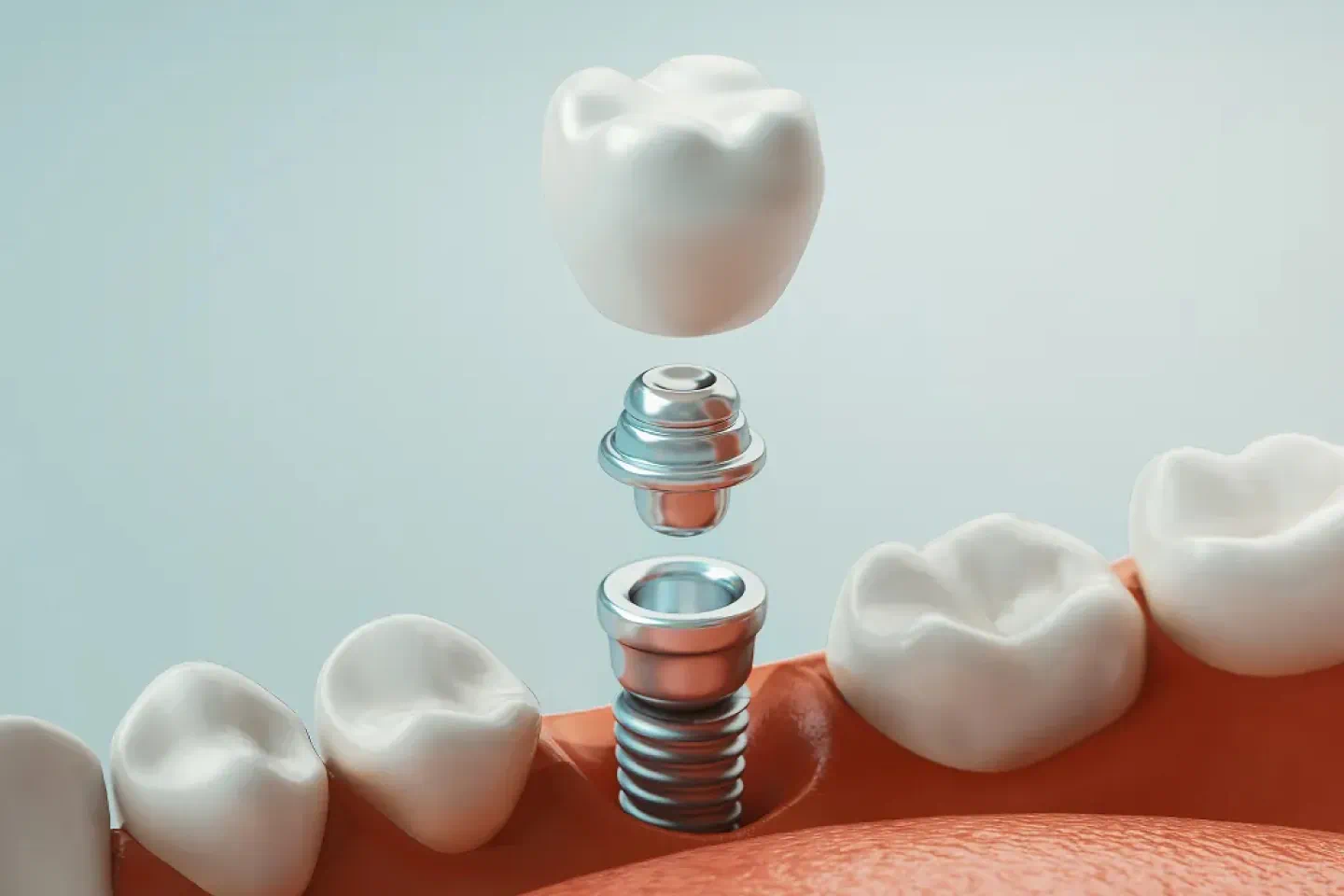
A single dental implant may require an implant post, abutment, and crown, while patients replacing several teeth may need an implant-supported bridge or another restoration.
Before beginning treatment, ask your dentist for a detailed treatment estimate so you understand what is included and what additional procedures may be necessary.
Does Dental Insurance Cover Dental Implants?
Dental insurance coverage for implants varies by plan. Some dental insurance policies may provide benefits toward certain parts of implant treatment, while others may exclude implants or have limitations, waiting periods, annual maximums, or other restrictions.
It is important to review your specific policy rather than assuming that implants are either fully covered or completely excluded.
If you are considering purchasing dental insurance specifically to help with implant treatment, check the plan's coverage details carefully. Adult dental insurance is generally separate from health insurance in California, and Covered California notes that adult dental coverage is offered separately from health plans.
You should also confirm:
- Whether implants are covered
- Which parts of the procedure are covered
- Whether there is a waiting period
- The annual benefit maximum
- Your deductible and coinsurance
- Whether there are exclusions for missing teeth
- Whether your dentist is in-network
- Whether the plan has restrictions on implant-supported restorations
Understanding these details before treatment can help you avoid unexpected expenses.
Can You Get Dental Implants Without Dental Insurance?
Yes. You do not need dental insurance to receive dental implants.
Patients without insurance can pay for treatment directly or use other methods to make the cost more manageable. Your dental office may offer payment arrangements or financing options that allow you to spread treatment costs over time.
When discussing treatment, ask your dental office whether they offer:
- Monthly payment plans
- Third-party healthcare financing
- Promotional financing options
- Discounts for paying in full
- Treatment packages
- Phased treatment options
Availability varies by dental practice, so it is important to ask about current options before starting treatment.
Consider Dental Financing
Financing is one option that may make dental implants more affordable without insurance.
Instead of paying the entire treatment cost upfront, an approved financing program may allow you to make monthly payments over a defined period.
Depending on the financing provider and plan, terms can vary considerably. Some offers may include promotional periods, while others may charge interest.
Before accepting financing, make sure you understand:
- The total amount financed
- Monthly payment amount
- Interest rate or APR
- Length of the repayment period
- Any application or financing fees
- Whether promotional terms apply
- What happens if the balance is not paid during a promotional period
A lower monthly payment does not necessarily mean a lower overall cost, so consider the total amount you will pay.
Ask About In-House Payment Plans
Some dental practices offer payment arrangements directly through their office.
An in-house payment plan may allow you to divide the cost of treatment into multiple payments instead of paying the entire amount at once.
If this option is available, ask your dental team about:
- Required down payment
- Number of payments
- Payment frequency
- Whether there are additional fees
- When payments are due
- Whether treatment must be completed within a certain timeframe
Not every practice offers in-house financing, so availability will depend on the dental office.
Consider a Dental Savings Plan
Dental savings plans are another option for people who do not have traditional dental insurance.
Rather than functioning exactly like insurance, a dental savings plan generally provides participating members with access to discounted dental services from participating providers.
If you are considering one, compare the actual discount available for implant treatment and related procedures rather than assuming every dental service receives the same savings.
Make sure you understand:
- The membership fee
- Participating dentists
- Implant discounts
- Restoration discounts
- Whether there are waiting periods
- Which procedures are included
- Whether the plan can be combined with other discounts
A savings plan may be helpful for some patients, but it is important to compare the numbers before enrolling.
Ask Whether Treatment Can Be Completed in Phases
You may not always need to pay for every part of your dental treatment at once.
Depending on your dental condition, your dentist may be able to develop a treatment plan that is completed in stages.
For example, treatment may involve:
- Initial examination and imaging
- Necessary tooth extractions
- Treatment of gum disease or infection
- Bone grafting if needed
- Implant placement
- Healing and implant integration
- Placement of the final restoration
Phasing treatment does not mean delaying necessary care indefinitely. Your dentist can help determine which procedures should be completed first and whether certain steps can safely be scheduled separately.
Can Medi-Cal Help Pay for Dental Implants in California?
Medi-Cal provides dental benefits for eligible members, but implant coverage has specific limitations and should not be assumed.
The California Department of Health Care Services states that Medi-Cal Dental covers services such as examinations, cleanings, fillings, crowns, root canals, periodontal services, dentures, and certain other dental treatments.
However, Medi-Cal Dental's implant policies have historically limited implant services to specific exceptional medical circumstances and require documentation and prior authorization. The provider handbook states that single-tooth implants are not a general Medi-Cal Dental benefit.
Because Medi-Cal policies can change, patients should verify their current eligibility and coverage before assuming that implants will be covered.
California has also implemented changes affecting dental benefits for certain adult Medi-Cal members. As of 2026, some adults who do not qualify for federal full-scope Medi-Cal may have restricted dental benefits, while certain groups continue to qualify for full dental coverage.
If you have Medi-Cal, ask your dental provider and Medi-Cal Dental about your specific benefits before beginning implant treatment.
Look Into Low-Cost Dental Resources
If the cost of dental implants is beyond your current budget, other dental resources may be worth exploring.
California's Department of Public Health notes that Federally Qualified Health Centers and community clinics may provide dental care based on income. Dental schools and dental hygiene schools may also offer certain services at reduced costs through student clinics.
However, not every low-cost dental clinic offers implant treatment. If you are specifically interested in implants, ask whether the facility provides implant consultations or implant-related services before making an appointment.
Do Not Choose an Implant Provider Based Only on Price
When comparing dental implant costs, the lowest quote is not necessarily the best value.
Dental implant treatment involves surgery, restoration, and long-term maintenance. Choosing a provider based solely on the cheapest advertised price can make it difficult to determine what is actually included in the treatment.
Before comparing prices, ask whether the quoted cost includes:
- Implant placement
- Abutment
- Dental crown or full-arch restoration
- Diagnostic imaging
- Tooth extraction
- Bone grafting
- Temporary restoration
- Follow-up appointments
- Final restoration
- Implant maintenance
Two treatment estimates can look very different simply because they include different services.
Ask for a Written Treatment Plan
A written treatment plan can make the financial side of implant treatment much easier to understand.
Your dentist should explain the recommended procedures and associated costs before you commit to treatment.
Ask for a breakdown showing:
- Each procedure
- Estimated fees
- What is included
- What may cost extra
- Payment options
- Financing terms
- Estimated treatment timeline
If you have questions about a particular procedure, such as dental crowns and bridges, ask how that restoration fits into the overall implant treatment plan.
Consider the Cost of Delaying Treatment
It can be tempting to postpone implant treatment indefinitely because of the cost. However, leaving a missing tooth untreated can affect your oral health over time.
After tooth loss, the jawbone in the area can gradually lose volume because it no longer receives stimulation from the tooth root. Nearby teeth may also shift into the empty space, potentially affecting your bite.
This does not mean every missing tooth must immediately be replaced with an implant. Your dentist can discuss all appropriate tooth replacement options based on your oral health and budget.
In some cases, alternatives such as a dental bridge or partial denture may be considered.
What If You Cannot Afford Dental Implants Right Now?
If implants are currently outside your budget, talk openly with your dentist.
You may have several options depending on your circumstances, including:
- Saving toward treatment
- Financing the procedure
- Completing treatment in phases
- Considering a dental savings plan
- Exploring alternative tooth replacement options
- Treating urgent dental problems first
- Comparing multiple treatment plans with your dentist
The goal is not simply to find the cheapest treatment. It is to find an option that restores function, protects your oral health, and fits realistically within your financial situation.
Are Dental Implants Worth the Investment?
For many patients, dental implants can be a valuable long-term investment in oral function and tooth replacement.
Unlike removable dentures, implants are anchored in the jawbone and can provide a stable foundation for replacement teeth. They can also help support the jawbone in the area of the missing tooth.
However, implants are not the right solution for everyone. Your oral health, bone structure, medical history, lifestyle, and financial circumstances all matter.
A consultation can help you compare the potential benefits, costs, and alternatives before making a decision.
How to Make Dental Implants More Affordable
If you need dental implants but do not have insurance, you do have options.
Start by getting a detailed treatment plan and asking your dentist about financing or payment arrangements. Compare the total cost rather than focusing only on monthly payments, and find out exactly what is included in your treatment estimate.
You can also investigate dental savings plans, phased treatment, Medi-Cal eligibility, community dental resources, or alternative tooth replacement options.
Most importantly, do not avoid discussing cost with your dentist. A transparent conversation about your budget can help your dental team identify realistic treatment options without compromising your oral health.
If you are considering replacing missing teeth, schedule a consultation with Manteca Family Dentist to learn more about dental implant treatment and discuss options that may fit your needs and budget.
FAQs on Dental Implants Without Insurance
Q: Can I get dental implants if I do not have dental insurance?
A: Yes. Dental insurance is not required to receive dental implants. Patients without insurance can discuss payment plans, financing, dental savings programs, phased treatment, or other payment options with their dental provider.
Q: Does Medi-Cal cover dental implants in California?
A: Medi-Cal Dental has specific rules and limitations regarding implant treatment. Implant services are not generally covered as a routine benefit and may require exceptional medical circumstances and prior authorization. Coverage can also depend on your eligibility and current Medi-Cal rules.
Q: Can I finance dental implants?
A: Financing may be available through a dental office or third-party healthcare financing provider. Terms vary, so review the interest rate, monthly payment, repayment period, fees, and total cost before accepting financing.
Q: Are there cheaper alternatives to dental implants?
A: Depending on your situation, a dental bridge or partial denture may provide an alternative to implants. Your dentist can compare the advantages, limitations, expected maintenance, and costs of each option based on your oral health.
Q: Can I pay for dental implants in installments?
A: Some dental offices offer payment plans or work with financing providers that allow patients to spread treatment costs over time. Ask your dental provider which options are currently available and what terms apply.
Q: How can I reduce the cost of dental implants?
A: Start by comparing complete treatment estimates, asking about financing or payment plans, considering phased treatment when appropriate, and checking whether dental savings programs or other dental resources may be available. Community clinics and dental schools may also provide certain services at reduced costs, although implant availability varies.

See Why Patients Choose Manteca Smiles
Hear from our patients about their experiences at our Manteca dental office and why Manteca Smiles is the go-to choice for family and cosmetic dentistry. Our long-standing reputation is built on trust, comfort, and consistently positive outcomes.
Get in Touch with Manteca Smiles
Book your appointment at Manteca Smiles and enjoy trusted, family-friendly dental care in the heart of Manteca.


Monday to Thursday - 8.30 a.m. to 5:00 p.m.
Friday, Saturday and Sunday - Closed



© Manteca Smiles 2026. All Rights Reserved | Privacy Policy | Digital Marketing by Remedo