
Do Dental Crowns Hurt?
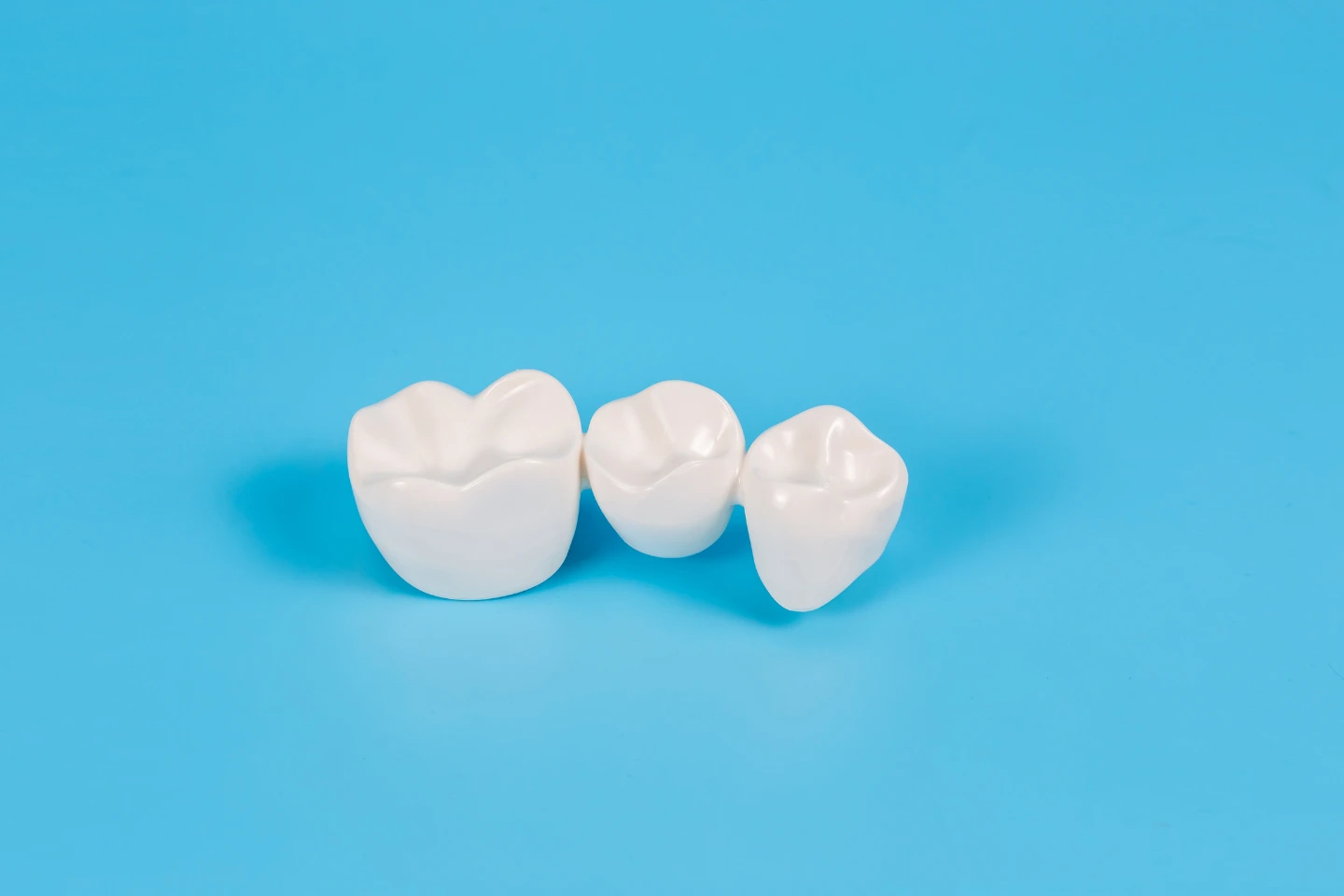
If your dentist has recommended a dental crown, you may be wondering whether the procedure will be painful. This is one of the most common questions patients ask before treatment. The good news is that getting a dental crown is generally not painful. Modern dental techniques, local anesthesia, and careful treatment planning help keep patients comfortable throughout the procedure.
You may experience mild soreness or sensitivity after your appointment, but this is usually temporary and manageable. Understanding what to expect before, during, and after treatment can help ease any concerns and prepare you for a smooth experience.
What Is a Dental Crown?
A dental crown is a custom-made cap that covers a damaged or weakened tooth. It restores the tooth's shape, strength, appearance, and function while protecting it from further damage.
Your dentist may recommend a crown if you have:
- A large cavity that cannot support a filling
- A cracked or broken tooth
- A worn-down tooth
- A tooth that has undergone root canal treatment
- A severely discolored or misshapen tooth
- A dental implant that needs a permanent restoration
Crowns are designed to look and function like natural teeth.
Does the Procedure Hurt?
For most patients, the answer is no.
Before preparing your tooth, your dentist will numb the area with a local anesthetic. This prevents you from feeling pain during the procedure. You may notice pressure or vibration while the tooth is being shaped, but you should not feel sharp pain.
If you experience discomfort during treatment, let your dentist know so additional anesthetic can be provided if needed.
What Happens During a Dental Crown Procedure?
Getting a dental crown usually involves two visits, although some practices offer same-day crowns.
During the first visit, your dentist will:
- Examine the tooth
- Take X-rays if necessary
- Administer local anesthesia
- Remove any decay or damaged tooth structure
- Shape the tooth to fit the crown
- Take impressions or digital scans
- Place a temporary crown to protect the tooth
At your second visit, the temporary crown is removed, and the permanent crown is checked for fit, appearance, and bite before being securely cemented into place.
Will My Tooth Hurt After the Procedure?
It is normal to experience mild discomfort after the numbness wears off.
You may notice:
- Mild soreness around the treated tooth
- Gum tenderness
- Sensitivity to hot or cold foods
- Minor discomfort when biting
These symptoms usually improve within a few days. Over-the-counter pain relievers are often enough to manage any temporary discomfort, provided they are appropriate for you.
Why Might a Crown Hurt Afterwards?
Although most patients recover without problems, discomfort can occasionally last longer than expected.
Possible causes include:
Tooth Sensitivity
The prepared tooth may temporarily become more sensitive after treatment. This usually improves as the tooth settles beneath the crown.
Bite Problems
If the crown sits slightly too high, you may experience pain when biting or chewing. A simple adjustment by your dentist can usually resolve this issue quickly.
Gum Irritation
The gums surrounding the treated tooth may be slightly irritated after the procedure, particularly if extensive preparation was required. This tenderness typically improves within several days.
Infection or Nerve Inflammation
In rare cases, the nerve inside the tooth may become inflamed or infected after crown preparation, especially if the tooth had extensive decay or previous trauma. Persistent or worsening pain should be evaluated during an emergency dental visit.
Does Getting a Crown After a Root Canal Hurt?
Generally, no.
Since the nerve has already been removed during root canal treatment, many patients experience very little discomfort when receiving a crown on that tooth. Some mild gum soreness may occur after the appointment but usually resolves quickly.
How Long Does Discomfort Last?
Most patients feel completely comfortable within a few days. Temporary sensitivity may last one to two weeks, particularly when eating hot or cold foods. If discomfort continues beyond two weeks or becomes more severe, contact your dentist for an evaluation.
How Can You Reduce Discomfort After Getting a Crown?
You can support healing by following a few simple steps:
- Avoid chewing hard foods until the numbness wears off
- Eat softer foods for the first day if needed
- Brush and floss gently around the crown
- Avoid sticky foods while wearing a temporary crown
- Take pain medication as directed by your dentist if necessary
- Attend your routine checkups so adjustments can be made if needed
Good oral hygiene helps protect both the crown and the surrounding tooth.
When Should You Contact Your Dentist?
You should contact your dentist if you experience:
- Severe or worsening pain
- Swelling around the tooth or gums
- Difficulty biting down comfortably
- A loose or fallen crown
- Persistent sensitivity lasting more than two weeks
- Fever or signs of infection
Prompt treatment can prevent more serious complications and help preserve your restored tooth.
A Comfortable Way to Restore Your Smile
Getting a dental crown is a routine procedure that is designed to restore and protect damaged teeth with minimal discomfort. Thanks to modern anesthetics and advanced dental techniques, most patients experience little to no pain during treatment and only mild, temporary soreness afterward.
If you have a damaged tooth that may require a crown, scheduling a consultation with your dentist is the first step. They can explain the procedure, answer your questions, and help ensure your treatment is as comfortable as possible.
FAQs on if a Dental Crown Hurts or Not
Q: Does getting a dental crown hurt during the procedure?
A: No. Your dentist will numb the tooth with a local anesthetic before treatment, so you should only feel pressure or vibration rather than pain.
Q: Is it normal to have pain after getting a dental crown?
A: Mild soreness or sensitivity is common for a few days after the procedure. Severe or persistent pain should be evaluated by your dentist.
Q: Why does my crown hurt when I bite down?
A: A crown that feels high can cause discomfort when biting. Your dentist can usually correct this with a simple bite adjustment.
Q: How long will my tooth be sensitive after getting a crown?
A: Mild sensitivity usually improves within a few days to two weeks. If it continues longer or worsens, contact your dentist.
Q: Can a dental crown need a root canal later?
A: Yes. Although uncommon, the tooth beneath a crown can develop nerve inflammation or infection later, which may require root canal treatment.

See Why Patients Choose Manteca Smiles
Hear from our patients about their experiences at our Manteca dental office and why Manteca Smiles is the go-to choice for family and cosmetic dentistry. Our long-standing reputation is built on trust, comfort, and consistently positive outcomes.
Get in Touch with Manteca Smiles
Book your appointment at Manteca Smiles and enjoy trusted, family-friendly dental care in the heart of Manteca.


Monday to Thursday - 8.30 a.m. to 5:00 p.m.
Friday, Saturday and Sunday - Closed




© Manteca Smiles 2026. All Rights Reserved | Privacy Policy | Digital Marketing by Remedo