
Does Extracting Teeth Hurt? And How to Mentally Prepare
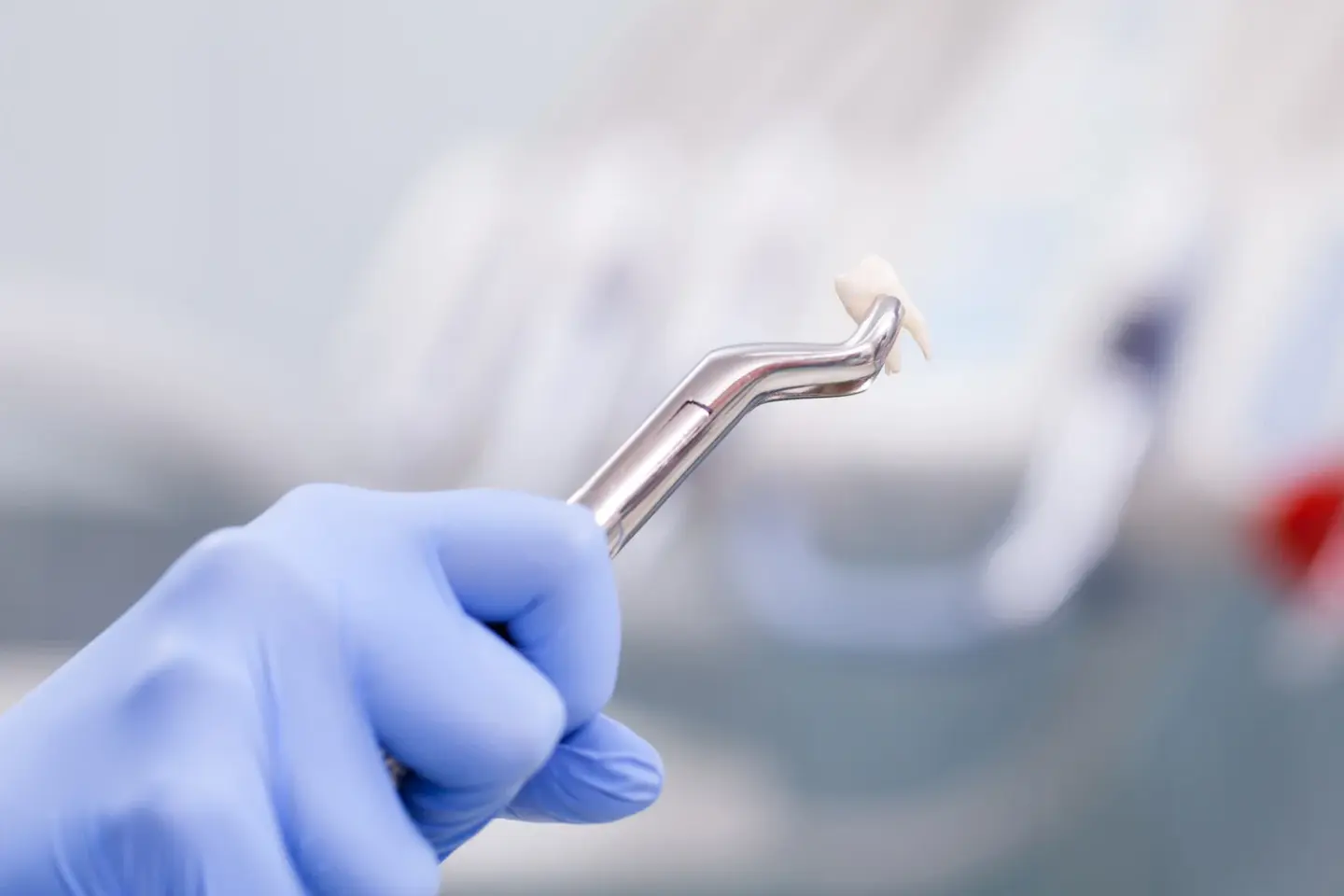
The thought of having a tooth removed can make many people nervous. You may wonder whether the procedure will hurt, how long it will take, or what recovery will feel like afterward. These concerns are common, especially if you have never had a tooth extraction before.
A tooth may need to be removed when it is severely damaged, extensively decayed, impacted, or no longer possible to restore. While extraction is a dental procedure, modern techniques and local anesthesia are used to help keep patients comfortable throughout treatment.
Does Tooth Extraction Hurt?
During a tooth extraction, your dentist or oral surgeon typically uses local anesthesia to numb the area around the tooth. This means you should not feel sharp pain during the procedure, although you may notice pressure, movement, or other sensations as the tooth is being removed.
The level of discomfort can vary depending on factors such as
- The condition of the tooth
- Whether the tooth is fully erupted
- The location of the tooth
- The complexity of the extraction
- Whether infection or inflammation is present
- Your individual sensitivity and anxiety level
Manteca Smiles states that its oral surgery services include sedation options designed to help patients relax and comfortable care during procedures such as extractions.
If you are feeling nervous, tell your dental team before treatment begins. Knowing that you are anxious allows them to discuss the procedure and available comfort measures with you.
Why Might a Tooth Need to Be Extracted?
Dentists generally try to preserve natural teeth whenever they can. However, there are situations where removing a tooth may be the appropriate treatment.
A tooth may require extraction because of:
- Severe tooth decay
- Extensive damage or fracture
- Advanced gum disease
- An impacted tooth
- Crowding
- Certain orthodontic treatment plans
- Infection or other dental conditions
- A tooth that cannot be predictably restored
Manteca Smiles lists severely decayed, damaged, and impacted teeth among the reasons a patient may need tooth extraction.
Before recommending extraction, your dentist will evaluate the tooth and consider whether another treatment could preserve it.
What Happens Before a Tooth Extraction?
Your appointment will generally begin with an examination of the tooth and surrounding tissues.
Your dentist may review:
- Your dental history
- Your medical history
- Current medications
- Symptoms you are experiencing
- The condition of the tooth
- The health of the surrounding gums
- Available diagnostic images
Dental X-rays or other imaging may be used to evaluate the tooth and its roots before treatment. Manteca Smiles offers digital X-rays and advanced diagnostic tools as part of its general dental services.
This assessment helps your dental team understand the position and condition of the tooth and determine the appropriate approach.
What Happens During a Tooth Extraction?
Once the treatment plan has been established, the area around the tooth is numbed with local anesthesia.
Your dentist then carefully loosens and removes the tooth. The exact technique depends on the tooth and how difficult it is to access.
A straightforward extraction may involve removing a fully erupted tooth with specialized dental instruments. More complicated cases, such as impacted teeth, may require a surgical approach.
During the procedure, you may notice:
- Pressure
- Pushing
- Movement
- Vibration from instruments
- Sounds associated with the procedure
These sensations can feel unusual, but they are not necessarily signs of pain.
If you experience sharp pain while the procedure is taking place, tell your dentist immediately so additional anesthesia can be considered.
What Is a Surgical Tooth Extraction?
Not every extraction is the same.
A simple extraction may be appropriate when the tooth is visible and can be removed without surgical access. A surgical extraction may be necessary when the tooth is impacted, broken below the gumline, or otherwise difficult to access.
Manteca Smiles provides oral surgery and tooth extraction services for both routine and more complex situations.
Your dentist can explain which type of extraction you may need and what the procedure will involve.
Will I Be Awake During a Tooth Extraction?
In many cases, patients remain awake during an extraction because local anesthesia is used to numb the treatment area.
Being awake does not mean that you should experience pain. You may be aware of pressure and movement while the tooth is being removed.
For patients who feel particularly anxious about oral surgery, sedation may be discussed as part of the treatment plan. Manteca Smiles states that it provides a range of sedation options to help patients relax during oral surgery.
If dental anxiety is one of your biggest concerns, discuss it with your dentist before the appointment rather than trying to manage it on your own.
How Long Does a Tooth Extraction Take?
The length of an extraction can vary considerably.
A simple extraction may be relatively quick, while a more complicated extraction may take longer because the dentist needs to work carefully around the surrounding tissues and structures.
The appointment may also include time for:
- Reviewing your medical history
- Taking X-rays or other images
- Administering anesthesia
- Preparing the treatment area
- Removing the tooth
- Controlling bleeding
- Reviewing aftercare instructions
Your dentist can give you a better idea of the expected appointment length after evaluating your tooth.
What Does Tooth Extraction Feel Like?
Many patients are concerned about what they will physically feel during an extraction.
Once the area is properly numb, you should not feel the sharp sensation associated with cutting or drilling into the tooth. However, you may feel pressure as the dentist works to loosen the tooth.
You may also hear sounds from the instruments being used.
Understanding this beforehand can make the experience less surprising. If you know that pressure and unusual sounds can occur without necessarily indicating pain, it may be easier to remain relaxed during the procedure.
What Happens Immediately After the Extraction?
Once the tooth has been removed, your dental team will provide instructions to help protect the extraction site while it heals.
A gauze pad may be placed over the area to help control bleeding.
Your dentist will explain how to care for the extraction site and what to expect during the early healing period.
Following these instructions carefully is important because the extraction site needs time to heal.
Manteca Smiles notes that its oral surgery team provides detailed post-operative instructions and follow-up support after treatment.
Is Pain Normal After a Tooth Extraction?
Some soreness or tenderness after an extraction can occur as the anesthetic wears off and the tissues begin to heal.
The amount of discomfort can depend on the complexity of the extraction and your individual healing response.
Your dental team can provide instructions about managing discomfort and caring for the extraction site.
If you experience severe or worsening pain, significant swelling, uncontrolled bleeding, fever, or other concerning symptoms, contact your dental office promptly.
What Should You Avoid After an Extraction?
Your dentist will give you specific instructions based on your procedure, but protecting the extraction site during the early healing period is important.
You may be advised to:
- Avoid disturbing the extraction site
- Follow instructions regarding food and drinks
- Avoid smoking or tobacco products
- Follow recommended oral hygiene instructions
- Avoid strenuous activity for the period recommended by your dentist
- Take medications exactly as directed
Do not place objects or unapproved substances directly into the extraction site.
If you are unsure about something during recovery, contact your dental team rather than guessing.
How Should You Mentally Prepare for a Tooth Extraction?
For many patients, the anxiety before the procedure is worse than the procedure itself. Preparing mentally can make the appointment feel more manageable.
Learn What to Expect
Knowing the basic steps can reduce uncertainty. Your dentist will numb the area, perform the extraction, and provide aftercare instructions.
You do not need to know every technical detail, but having a general understanding of the process can help you feel more in control.
Tell Your Dentist You Are Nervous
You do not need to hide your anxiety.
Let your dentist know if you are worried about:
- Pain
- Needles
- The sounds of dental instruments
- Feeling trapped
- Previous difficult dental experiences
- The recovery process
Your dental team can explain what is happening and discuss available comfort options.
Ask Questions Before Treatment
If something about the procedure worries you, ask about it before treatment begins.
Useful questions include:
- Will I be awake during the extraction?
- What type of anesthesia will be used?
- How long should the procedure take?
- What will I feel during the procedure?
- What should I eat afterward?
- When can I return to normal activities?
- What symptoms should make me contact the office?
Having answers beforehand can reduce uncertainty.
Focus on the Reason for Treatment
It can be helpful to remember why the extraction has been recommended.
If a tooth is severely damaged, infected, or otherwise cannot be restored, removing it may be part of addressing the underlying dental problem.
Once the area has healed, your dentist can discuss appropriate options for replacing the missing tooth when necessary.
What Happens If You Need to Replace the Tooth?
Removing a tooth may solve the immediate problem, but your dentist may also discuss what happens next.
Depending on your oral health and the location of the missing tooth, replacement options can include:
- Dental implants
- Dental bridges
- Partial dentures
- Other restorative options
For suitable patients, dental implants may be considered as one way to replace a missing tooth. Your dentist can evaluate your jawbone, gums, bite, and overall oral health before discussing implant treatment.
In some cases, bone grafting may also be considered when additional bone support is needed before implant placement.
Not every extracted tooth needs to be replaced with an implant. Your dentist can discuss the options that are appropriate for your specific situation.
Can an Extraction Be Avoided?
Sometimes, yes.
Dentists generally consider whether a tooth can be restored before recommending extraction. Depending on the condition of the tooth, treatment such as a filling, crown, or root canal may allow the natural tooth to remain.
For example, if the inner tissue of a tooth is infected but the remaining structure can be restored, root canal treatment may be considered as an alternative to extraction.
However, if the tooth has extensive damage or cannot be predictably restored, extraction may be recommended.
What If I Need an Emergency Tooth Extraction?
Some extractions are planned in advance, while others may become necessary because of sudden pain, infection, trauma, or severe damage.
If you experience severe or persistent tooth pain, facial swelling, significant dental trauma, or another urgent concern, emergency dental care may be appropriate.
Manteca Smiles provides emergency dental services for urgent concerns such as severe tooth pain, dental injuries, and broken restorations.
If you are unsure whether your symptoms require urgent care, contact your dental office for guidance.
How Can You Make Recovery Easier?
Following your dentist's instructions is one of the most important things you can do after an extraction.
Your dental team may recommend:
- Keeping the extraction area undisturbed
- Following dietary instructions
- Maintaining appropriate oral hygiene
- Avoiding smoking and tobacco
- Taking recommended medications as directed
- Attending a follow-up appointment if one is recommended
The recovery period varies depending on the type of extraction and your individual circumstances.
If you have questions about what you can eat or how to care for the area, ask your dental team for specific instructions.
Does Tooth Extraction Have to Be Scary?
It is normal to feel nervous about having a tooth removed, particularly if you have never had an extraction before.
However, understanding the process can make the experience less uncertain. Your dentist will evaluate the tooth, numb the area, remove the tooth using the appropriate technique, and provide instructions for caring for the extraction site.
If dental anxiety is making you postpone necessary treatment, tell your dental team about your concerns. Discussing your worries in advance can help you understand the available comfort and sedation options.
What to Expect From Your Tooth Extraction
A tooth extraction may sound intimidating, but the procedure is performed with the goal of keeping you comfortable and safely addressing the dental problem.
The experience can vary depending on whether the extraction is simple or surgical and on the condition and position of the tooth. You may feel pressure and movement during the procedure, but your treatment team can use local anesthesia and, when appropriate, sedation options to support your comfort.
If your dentist has recommended an extraction or you are experiencing symptoms from a damaged or problematic tooth, schedule an evaluation with a dentist in Manteca. Your dental team can explain why extraction may be necessary, what you can expect during treatment, and whether tooth replacement should be considered afterward.
FAQs on If Tooth Extraction Hurts
Q: Does getting a tooth pulled hurt?
A: During an extraction, local anesthesia is used to numb the treatment area, so you should not feel sharp pain. You may notice pressure, movement, or other unusual sensations. If you experience sharp pain during the procedure, tell your dentist so the area can be assessed and additional anesthesia considered.
Q: How painful is a tooth extraction afterward?
A: Some soreness or tenderness is possible after the anesthetic wears off. The amount of discomfort varies depending on the complexity of the extraction and individual healing. Your dentist will provide aftercare instructions and guidance on managing discomfort.
Q: How can I reduce my fear of getting a tooth extracted?
A: Start by telling your dentist that you are anxious. Ask questions about the procedure, anesthesia, recovery, and available sedation options. Knowing what to expect can make the experience feel less uncertain. Manteca Smiles states that sedation options are available for patients undergoing oral surgery.
Q: How long does it take to recover from a tooth extraction?
A: Recovery varies depending on the type of extraction, the tooth's condition, and individual healing. Your dentist will provide specific instructions about caring for the extraction site and returning to normal activities.
Q: Can a tooth be saved instead of extracted?
A: Sometimes. Depending on the condition of the tooth, treatments such as a filling, crown, or root canal may be able to preserve it. Your dentist will evaluate the tooth and determine whether it can be restored.
Q: What can I eat after a tooth extraction?
A: Your dentist will provide specific dietary instructions based on your procedure. In general, you may be advised to choose softer foods initially and avoid anything that could irritate or disturb the extraction site. Follow the instructions provided by your dental team.
Q: What should I do if I have severe pain after an extraction?
A: Contact your dentist promptly if you experience severe or worsening pain, significant swelling, uncontrolled bleeding, fever, or other concerning symptoms.

See Why Patients Choose Manteca Smiles
Hear from our patients about their experiences at our Manteca dental office and why Manteca Smiles is the go-to choice for family and cosmetic dentistry. Our long-standing reputation is built on trust, comfort, and consistently positive outcomes.
Get in Touch with Manteca Smiles
Book your appointment at Manteca Smiles and enjoy trusted, family-friendly dental care in the heart of Manteca.


Monday to Thursday - 8.30 a.m. to 5:00 p.m.
Friday, Saturday and Sunday - Closed




© Manteca Smiles 2026. All Rights Reserved | Privacy Policy | Digital Marketing by Remedo