
Does Invisalign Hurt? What to Expect During Treatment
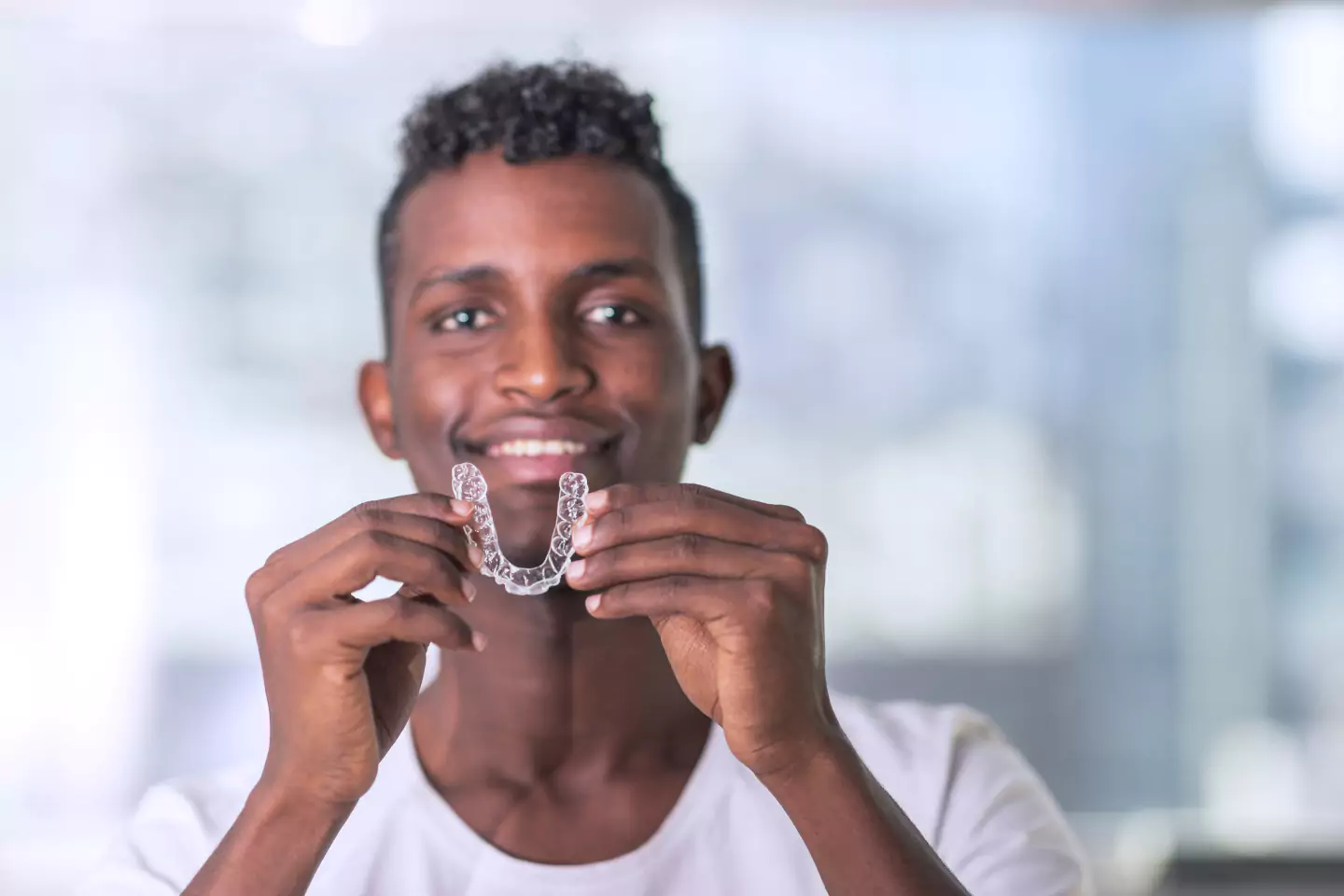
Invisalign has become one of the most popular orthodontic options for patients who want straighter teeth without the look of traditional braces. It is comfortable, removable, and discreet, which makes it an appealing choice for teens and adults. One of the most common questions we hear at Manteca Smiles is whether Invisalign hurts. The simple answer is that Invisalign may cause mild pressure or discomfort at certain points in treatment, but it is generally far more comfortable than metal braces.
Is Invisalign Painful?
Most patients describe Invisalign discomfort as mild rather than painful. The aligners are made from smooth, BPA-free plastic designed to fit comfortably over your teeth. There are no wires, brackets, or sharp edges that can irritate the cheeks and gums.
Invisalign works by applying gentle, controlled pressure to gradually move your teeth. This pressure can cause temporary soreness, especially during the first few days of wearing a new set of aligners. The sensation is similar to the feeling after tightening braces, but usually far milder.
For what it's worth, most patients report the discomfort is milder than they braced for going in. Patient-reported surveys on aligner treatment commonly find roughly half describe only mild soreness with each new tray, and about a third feel close to nothing at all. The people posting online about severe Invisalign pain tend to be the exception, not the norm.
When to Expect Discomfort
There are a few times during treatment when you may notice mild discomfort.
1. When Starting Your First Set of Aligners
Your teeth are adjusting for the first time, so slight tenderness is normal. Many patients describe it as pressure or a tight feeling.
2. Switching to a New Tray
Every one to two weeks, you will move to the next set of aligners. Each new tray causes small tooth movements, which may lead to brief soreness for a day or two.
3. Removing Aligners After Several Hours
If aligners have been worn for a long period of time, taking them out may create a slight pulling sensation. This usually fades quickly.
Overall, the discomfort is temporary, manageable, and a sign that your teeth are shifting as planned.
How Long Does Invisalign Discomfort Last?
Most soreness lasts 24 to 72 hours when starting a new set of aligners. After that, your mouth adjusts, and the discomfort fades. Many patients find that as treatment progresses, the initial soreness with each tray becomes less noticeable.
If pain lasts longer than a few days or feels severe, you should contact your dentist to ensure your aligners fit correctly.
Does Invisalign Hurt the Whole Time You're Wearing It?
Short answer: no, and it shouldn't. The soreness resets with every new tray, but it isn't cumulative — most patients notice each round of discomfort gets a little milder than the last, as the mouth gets used to the routine of aligner pressure. By the third or fourth tray, a lot of people say they barely notice the switch at all.
If you're still feeling significant pain deep into treatment, tray after tray, that's worth a call to your dentist rather than something to just push through. The American Association of Orthodontists notes that clear aligners are generally associated with less day-to-day discomfort than fixed braces over a full course of treatment — this tapering pattern is a big part of why.
Tips to Reduce Invisalign Discomfort
There are several ways to make the adjustment period more comfortable:
- Wear your new aligners at night for the first few hours, so initial soreness happens while you sleep.
- Use over-the-counter pain relief if recommended by your dentist.
- Switch aligners on weekends or evenings when you can rest.
- Avoid very hard or crunchy foods during the first day of a new tray.
- Use a cold compress for minor gum or jaw soreness.
- Keep aligners in for 20 to 22 hours a day to maintain consistent pressure.
Consistent wear helps reduce discomfort because your teeth move more efficiently.
One more thing worth flagging on the over-the-counter point above: some orthodontists lean toward acetaminophen (Tylenol) over ibuprofen for aligner soreness specifically, since there's a still-debated theory that NSAIDs might slightly slow the tooth-movement process. It's not a settled question, plenty of providers say either is fine for occasional use, but if you're reaching for something daily during the first week of a new tray, it's worth asking your dentist which they'd recommend for your case.
Invisalign vs. Braces: Which Hurts More?
Traditional metal braces involve brackets and wires that can rub against the cheeks, lips, and gums. Wire adjustments can also cause significant pressure. In comparison, patients often notice less discomfort when comparing Invisalign and traditional braces, as Invisalign usually causes much less irritation and milder soreness.
Because aligners are smooth and removable, most patients find Invisalign far more comfortable and easier to adapt to compared to braces.
If cost is part of what's weighing on your decision too, not just comfort, we've broken that comparison down separately in is Invisalign cheaper than braces.
When to Call Your Dentist?
While discomfort is normal, actual pain is not. You should contact your dentist if you experience:
- Sharp pain that does not improve
- Cuts or irritation caused by the aligner edges
- A tray that feels too tight or does not seat properly
- Swelling or symptoms of infection
Your dentist may adjust the aligner edges, verify the tray fit, or provide tips to help you stay comfortable throughout treatment.
Why Choose Invisalign at Manteca Smiles?
At Manteca Smiles, we offer customized Invisalign treatment plans designed for comfort, precision, and predictable results. Our team evaluates your bite, alignment, and goals to ensure your clear aligner journey is smooth from start to finish. You can learn more about what Invisalign can offer by giving us a call.
FAQ: Invisalign and Discomfort
Does Invisalign hurt more than braces?
No. Invisalign is significantly more comfortable than metal braces because there are no wires or brackets causing irritation.
Can I eat if my teeth feel sore?
Yes. Soft foods like pasta, yogurt, soups, and eggs can help during the first day of a new aligner set.
Can my aligners be adjusted if they hurt?
Yes. If an aligner edge feels rough or causes irritation, your dentist can smooth it for a better fit.
Will every tray cause soreness?
You may feel mild pressure with each new tray, but most patients say it becomes easier as treatment progresses.
How long does Invisalign hurt for overall, the whole treatment, not just one tray?
For most people, the sharpest discomfort is really only the first one to two weeks of treatment, while the mouth adapts to wearing something new. After that, each new tray brings a smaller, shorter round of soreness, usually a day or two, rather than a fresh wave of that original discomfort.
Why does Invisalign hurt more for some people than others?
Pain tolerance is part of it, but so is how much movement each tray is asking your teeth to do. Larger corrections, attachments (the small tooth-coloured bumps some plans use for grip), or rubber bands can all mean more noticeable pressure than a straightforward case. Your dentist can usually tell you upfront if your plan is likely to run sorer than average.

See Why Patients Choose Manteca Smiles
Hear from our patients about their experiences at our Manteca dental office and why Manteca Smiles is the go-to choice for family and cosmetic dentistry. Our long-standing reputation is built on trust, comfort, and consistently positive outcomes.
Get in Touch with Manteca Smiles
Book your appointment at Manteca Smiles and enjoy trusted, family-friendly dental care in the heart of Manteca.


Monday to Thursday - 8.30 a.m. to 5:00 p.m.
Friday, Saturday and Sunday - Closed




© Manteca Smiles 2026. All Rights Reserved | Privacy Policy | Digital Marketing by Remedo