
Who Is a Good Candidate for Dental Implant Treatment?
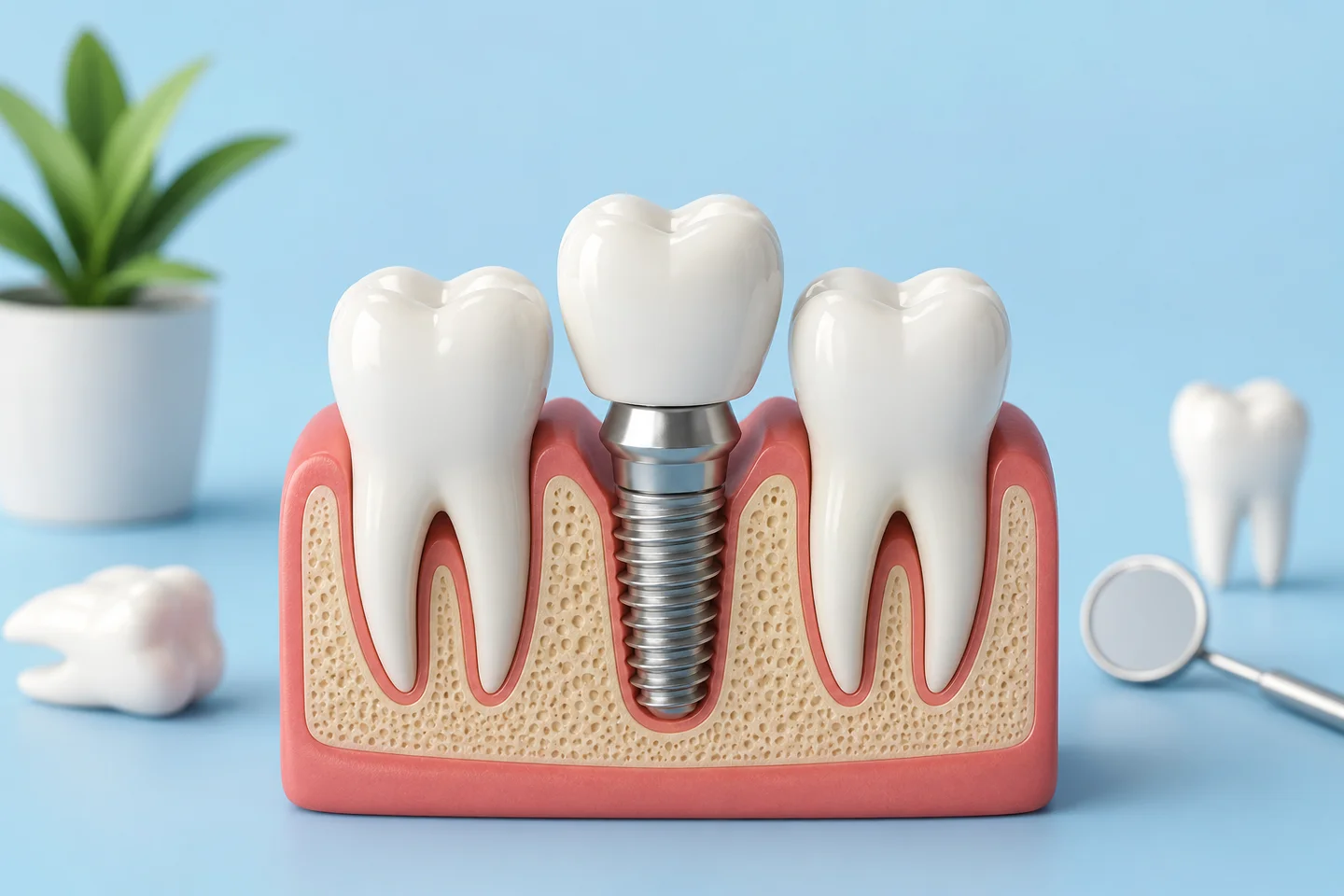
Missing teeth can affect much more than your smile. They can make chewing difficult, change the way you speak, and even lead to bone loss in the jaw over time. Dental implants are one of the most reliable and natural-looking ways to replace missing teeth, but not everyone is an ideal candidate right away.
The good news is that many adults qualify for dental implants, and even those who do not initially meet all the requirements may become candidates with the right treatment plan. A comprehensive dental evaluation is the best way to determine whether dental implants are the right solution for your oral health needs.
What Makes Someone a Good Candidate for Dental Implants?
Successful dental implant treatment depends on several factors, including your oral health, bone quality, and overall health. Your dentist will evaluate these areas before recommending treatment.
You Have One or More Missing Teeth
Dental implants are an excellent option if you have:
- A single missing tooth
- Several missing teeth
- All of your teeth missing in one or both arches
Implants can support individual crowns, dental bridges, or full-arch restorations, making them a versatile solution for many patients.
You Have Healthy Gums
Healthy gums play an important role in implant success.
If you have active gum disease, it should be treated before implant placement. Healthy gum tissue helps support the implant and reduces the risk of infection during healing.
Regular dental cleanings and good oral hygiene are essential before and after implant treatment.
You Have Adequate Jawbone
Dental implants are placed directly into the jawbone, where they gradually fuse with the bone through a process called osseointegration.
To support an implant, you need enough healthy bone. If you have experienced bone loss due to missing teeth, gum disease, or injury, your dentist may recommend a bone graft before implant placement.
Modern techniques allow many patients with reduced bone volume to become successful implant candidates.
Your General Health Is Stable
Most healthy adults are good candidates for dental implants.
Certain medical conditions may affect healing, including:
- Poorly controlled diabetes
- Autoimmune disorders
- Certain bone diseases
- Recent radiation therapy to the jaw
- Conditions that affect the immune system
These conditions do not automatically prevent implant treatment, but they may require additional planning and coordination with your healthcare provider.
You Practice Good Oral Hygiene
Dental implants require the same level of care as natural teeth.
Good candidates are willing to:
- Brush twice daily
- Floss or clean around implants every day
- Attend regular dental checkups
- Receive professional cleanings
Maintaining healthy gums is one of the best ways to protect your dental implants for years to come.
You Do Not Smoke or Are Willing to Quit
Smoking can interfere with healing and increase the risk of implant failure.
Tobacco reduces blood flow to the gums, making it more difficult for the implant to bond with the surrounding bone. Patients who quit smoking before and after surgery generally experience better healing and higher long-term success rates.
If you smoke, your dentist may recommend stopping before beginning implant treatment.
You Have Fully Developed Jawbones
Dental implants are generally recommended for adults whose jawbones have finished growing.
For this reason, implants are usually not placed in younger teenagers unless jaw growth has been completed.
Who May Need Additional Treatment First?
Some patients are not immediate candidates for dental implants but can become eligible after treating underlying issues.
You may need additional procedures if you have:
- Gum disease
- Significant bone loss
- Untreated tooth infections
- Teeth that require tooth extraction before implant placement
Your dentist will create a personalized treatment plan to prepare your mouth for successful implant placement.
Can Older Adults Get Dental Implants?
Absolutely.
Age alone is not a reason to avoid dental implants. Many patients in their 60s, 70s, and even 80s successfully receive implants and enjoy improved chewing ability and confidence.
Overall health and bone quality are much more important than age.
Who May Not Be an Ideal Candidate?
Dental implants may not be recommended without additional evaluation if you:
- Have uncontrolled gum disease
- Smoke heavily and are unwilling to quit
- Have severe untreated bone loss
- Have certain uncontrolled medical conditions
- Are unable to maintain good oral hygiene
Your dentist will discuss alternative treatment options if implants are not the best choice for your situation.
What Happens During an Implant Consultation?
An implant consultation helps determine whether implants are the right solution for your smile.
Your appointment may include:
- A comprehensive oral examination
- Digital X-rays or 3D CBCT imaging
- Evaluation of your gums and jawbone
- Review of your medical history
- Discussion of your smile goals and treatment options
Based on these findings, your dentist will recommend the most appropriate treatment plan.
Restore Your Smile with Dental Implants
Dental implants offer a durable, functional, and natural-looking solution for replacing missing teeth. While the ideal candidate has healthy gums, sufficient jawbone, and good overall health, many patients who are not immediate candidates can still become eligible with proper preparation.
If you are considering dental implants, scheduling a consultation is the first step toward restoring your smile. A personalized evaluation will determine whether implants are right for you and help you achieve long-lasting oral health.
FAQs on Dental Implant Candidacy
Q: Can I get dental implants if I have lost bone in my jaw?
A: Yes. Many patients with bone loss can still receive dental implants after a bone graft or other preparatory procedures to rebuild the jawbone.
Q: Are dental implants suitable for seniors?
A: Yes. Healthy older adults are often excellent candidates for dental implants. Overall health and bone quality matter more than age.
Q: Can smokers get dental implants?
A: Smokers can receive dental implants, but smoking increases the risk of healing complications and implant failure. Quitting before and after treatment can improve success rates.
Q: Do I need healthy gums before getting dental implants?
A: Yes. Healthy gums are important for successful implant placement. Gum disease should be treated before implant surgery whenever possible.
Q: How will my dentist know if I am a good candidate for dental implants?
A: Your dentist will perform a comprehensive examination, review your medical history, and take digital X-rays or 3D scans to evaluate your gums, jawbone, and overall oral health before recommending treatment.

See Why Patients Choose Manteca Smiles
Hear from our patients about their experiences at our Manteca dental office and why Manteca Smiles is the go-to choice for family and cosmetic dentistry. Our long-standing reputation is built on trust, comfort, and consistently positive outcomes.
Get in Touch with Manteca Smiles
Book your appointment at Manteca Smiles and enjoy trusted, family-friendly dental care in the heart of Manteca.


Monday to Thursday - 8.30 a.m. to 5:00 p.m.
Friday, Saturday and Sunday - Closed



© Manteca Smiles 2026. All Rights Reserved | Privacy Policy | Digital Marketing by Remedo