
Am I a Good Candidate for Invisalign?
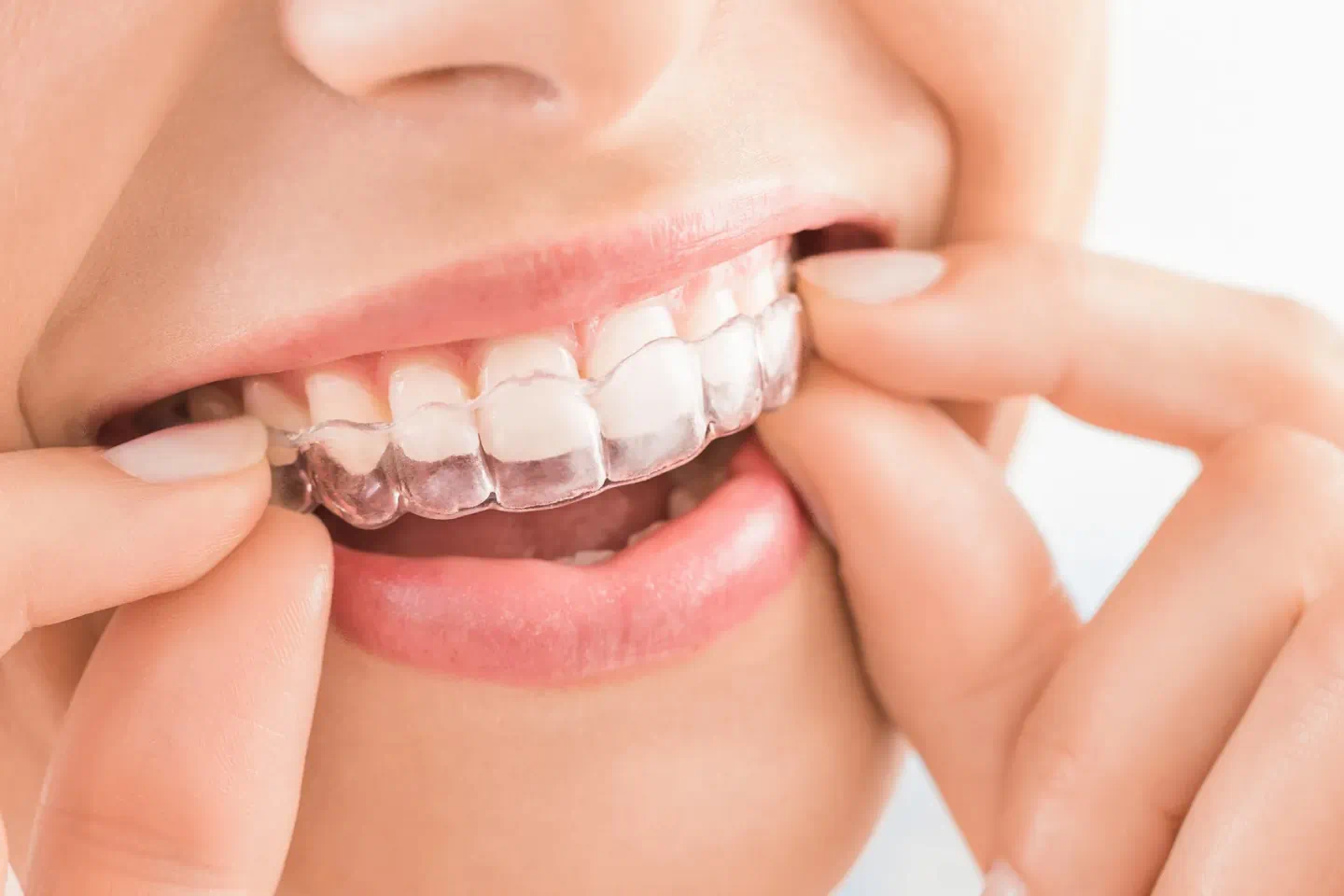
Thinking about straightening your teeth without traditional braces? Invisalign clear aligners may be an option for some patients who want a more discreet way to address certain orthodontic concerns.
However, not everyone is automatically a good candidate for Invisalign. Clear aligner treatment works by gradually moving teeth according to a customised treatment plan, so your dentist or orthodontist needs to evaluate your teeth, bite, gums, and overall oral health before recommending treatment.
If you are wondering whether Invisalign may be appropriate for you, this quick self-check can help you understand some of the factors your dental provider may consider.
What Is Invisalign?
Invisalign uses a series of clear, removable aligners designed to gradually move the teeth into planned positions.
Unlike traditional braces, Invisalign aligners do not use metal brackets and wires. They can be removed for eating, drinking, brushing, and flossing.
Each set of aligners is typically worn according to your provider's instructions before progressing to the next set in the treatment series.
Your treatment plan is based on your individual orthodontic needs rather than a standard set of aligners for every patient.
Invisalign Candidate Quiz - Could Clear Aligners Be Right for You?
Answer each question with Yes or No.
1. Are your teeth crowded or overlapping?
If your teeth are crowded, rotated, or overlapping, orthodontic treatment may help create a more organised alignment.
Invisalign may be considered for certain types of crowding, depending on its severity and the overall condition of your teeth and supporting structures.
2. Do you have gaps between your teeth?
Spaces between teeth can occur for several reasons. Depending on the size and location of the gaps, clear aligners may be used to gradually move the teeth closer together.
Your dentist or orthodontist will need to determine whether the gaps can be addressed with aligner treatment alone.
3. Do your upper and lower teeth not meet properly?
Problems with the way your upper and lower teeth come together are known as bite problems.
Some bite concerns may be treated with clear aligners, while others may require different or additional orthodontic approaches.
Your provider will evaluate your bite rather than focusing only on how straight your front teeth look.
4. Are you looking for a removable orthodontic option?
One feature of Invisalign is that the aligners can be removed when eating and during your oral hygiene routine.
However, removable aligners also require you to follow your treatment instructions consistently.
If you frequently forget to wear removable appliances, your provider may discuss whether another orthodontic option would be more suitable.
5. Can you commit to wearing your aligners as instructed?
Successful orthodontic treatment depends partly on following the recommended wear schedule.
If aligners are not worn as directed, tooth movement may not progress as planned and treatment may take longer.
Before starting Invisalign, consider whether you can realistically incorporate aligner wear into your daily routine.
6. Are your teeth and gums generally healthy?
Healthy teeth and gums are important before beginning orthodontic treatment.
Active cavities, gum disease, or other untreated dental problems may need to be addressed before orthodontic treatment begins.
Your provider may recommend a dental examination and necessary treatment before starting Invisalign.
7. Are you willing to attend follow-up appointments?
Invisalign treatment is not simply a matter of receiving aligners and wearing them without professional supervision.
Your dentist or orthodontist may schedule appointments to monitor your progress and determine whether your treatment is progressing as expected.
If you answered "Yes" to most of these questions, Invisalign may be worth discussing with your dental provider. However, this quiz cannot determine whether you are clinically suitable for treatment.
Who May Be a Good Candidate for Invisalign?
Invisalign may be considered for patients with certain orthodontic concerns, including:
- Mild to moderate crowding
- Certain spacing problems
- Some types of overbite
- Some types of underbite
- Certain crossbite concerns
- Rotated or misaligned teeth
- Certain orthodontic relapse cases
The suitability of Invisalign depends on the specific movement required and the condition of your teeth and supporting structures.
For some patients, clear aligners may be a convenient orthodontic option. Others may benefit from traditional braces or another treatment approach.
Who May Need Another Orthodontic Treatment?
Clear aligners are not appropriate for every orthodontic problem.
Your provider may recommend another treatment approach when you have complex tooth movements, significant bite problems, severe crowding, or other conditions that require a different type of orthodontic control.
This does not necessarily mean orthodontic treatment is not possible. It may simply mean that another approach is more appropriate for your particular case.
A consultation with an orthodontic provider can help determine which treatment options are available.
Doctor Checklist - What Will Your Dentist or Orthodontist Check?
Before recommending Invisalign, your provider may evaluate several aspects of your oral health and bite.
1. Tooth Alignment
Your provider will examine the position of your teeth to identify crowding, spacing, rotations, and other alignment concerns.
2. Your Bite
The relationship between your upper and lower teeth is an important part of treatment planning.
Your provider may assess whether you have concerns such as an overbite, underbite, crossbite, or other bite irregularities.
3. Gum Health
Healthy gums provide important support for your teeth.
If you have signs of gum disease or other periodontal concerns, these may need to be treated before orthodontic tooth movement begins.
Maintaining good oral hygiene is also important throughout orthodontic treatment.
4. Cavities and Existing Dental Problems
Your provider may check for cavities, damaged teeth, infections, or other dental problems.
If treatment is needed, addressing these concerns before Invisalign may help establish a healthier foundation for orthodontic treatment.
5. Previous Dental Work
Crowns, bridges, fillings, implants, and other dental restorations may be considered during treatment planning.
Existing dental work does not automatically mean you cannot have Invisalign, but your provider will need to consider how it affects the proposed tooth movements.
6. Tooth and Jaw Structure
Your provider may use dental X-rays, photographs, digital scans, or other diagnostic information to understand your teeth and supporting structures.
These records can help create a treatment plan based on your specific anatomy and orthodontic needs.
7. Your Treatment Goals
Your provider will also want to understand what you hope to change.
For example, you may be concerned about:
- Crowded front teeth
- Gaps between teeth
- Tooth rotation
- Bite problems
- Teeth shifting after previous orthodontic treatment
- The appearance of your smile
Clear communication about your goals can help your provider determine whether Invisalign can address them.
Does Age Matter for Invisalign?
Invisalign may be used for both teenagers and adults in appropriate cases.
However, age alone does not determine whether someone is a suitable candidate.
Your provider will consider factors such as dental development, oral health, orthodontic concerns, and your ability to follow treatment instructions.
Adults who have experienced teeth shifting after previous braces or orthodontic treatment may also be candidates for clear aligner treatment in some cases.
Can Invisalign Fix Crowded Teeth?
Invisalign can be used to treat certain types of dental crowding.
However, the amount and type of crowding matter.
Mild crowding may be managed with clear aligners, while more complex cases may require additional orthodontic treatment or a different approach.
If you are considering treatment for crowded teeth, an orthodontic evaluation can help determine whether Invisalign clear aligners are appropriate for your case.
Can Invisalign Close Gaps?
Clear aligners can be used to address certain spaces between teeth.
The cause, size, and location of the gap all matter when determining whether Invisalign can provide the desired movement.
If a gap is related to an underlying dental or gum problem, that issue may need to be addressed first.
Your provider can assess the cause of the spacing and explain the available treatment options.
What If You Have Dental Crowns or Fillings?
Having fillings or crowns does not automatically rule out Invisalign.
However, your provider will consider the location and condition of existing restorations when planning treatment.
The aligners need to fit appropriately and provide the intended forces for tooth movement.
If you have extensive dental work, your provider may need to evaluate how it interacts with your proposed orthodontic treatment.
Do You Have to Wear Invisalign All Day?
Invisalign treatment depends on wearing your aligners according to your provider's instructions.
Because the aligners are removable, patients have more control over when they take them out. This also means that forgetting to put them back in can interfere with treatment progress.
You should remove the aligners only as directed and follow your provider's instructions regarding wear time, cleaning, and changing aligners.
What Happens During an Invisalign Consultation?
An Invisalign consultation generally begins with an evaluation of your teeth and bite.
Your provider may:
- Discuss your orthodontic concerns and goals
- Examine your teeth and gums
- Evaluate your bite
- Take photographs or digital scans
- Use dental X-rays when appropriate
- Review your existing dental work
- Discuss whether clear aligners are appropriate
- Explain potential treatment options
- Discuss expected treatment requirements and follow-up
If Invisalign is appropriate, your provider can develop a customised treatment plan based on your individual needs.
What Should You Ask Before Starting Invisalign?
Before beginning treatment, consider asking your dentist or orthodontist:
- Am I a suitable candidate for Invisalign?
- What orthodontic problems can Invisalign address in my case?
- How long might treatment take?
- How often will I need follow-up appointments?
- How many hours each day should I wear my aligners?
- What happens if I forget to wear them?
- Will I need attachments?
- Will I need additional orthodontic treatment?
- What happens after my Invisalign treatment is complete?
- Will I need retainers?
- What is included in the total treatment cost?
Understanding these details can help you know what to expect before starting treatment.
Invisalign Doctor Checklist for Patients
Before your consultation, you can use this simple checklist:
Tell your provider if you have:
- Previous orthodontic treatment
- Teeth that have shifted
- Existing crowns or bridges
- Dental implants
- Recent dental work
- Gum problems
- Tooth sensitivity or pain
- Concerns about your bite
- Specific cosmetic goals
Ask your provider about:
- Invisalign suitability
- Alternative orthodontic treatments
- Estimated treatment duration
- Aligner wear requirements
- Attachments
- Follow-up appointments
- Retainers after treatment
- Overall treatment costs
Having this information ready can make your consultation more productive.
What Happens If Invisalign Is Not Right for You?
If your provider determines that Invisalign is not appropriate for your specific orthodontic needs, that does not necessarily mean you cannot straighten your teeth.
Depending on your condition, alternatives may include traditional braces, other types of clear aligners, or a different orthodontic treatment plan.
Your provider can explain why a particular treatment is recommended and what alternatives may be available.
Is Invisalign Right for You?
The easiest way to find out whether you are a good Invisalign candidate is to have your teeth and bite evaluated by a qualified dental professional.
A simple quiz can help you identify common factors associated with clear aligner treatment, but it cannot replace a clinical examination.
If you have crowded teeth, gaps, bite concerns, or teeth that have shifted after previous orthodontic treatment, ask your dentist whether clear aligner treatment may be suitable for you.
The right treatment depends on your individual dental health, orthodontic needs, treatment goals, and ability to follow the recommended treatment plan.
FAQs on Invisalign Candidacy
Q: How do I know if I am a good candidate for Invisalign?
A: Invisalign may be appropriate for certain types of crowding, spacing, tooth movement, and bite concerns. Your dentist or orthodontist will evaluate your teeth, gums, bite, existing dental work, and treatment goals before determining whether clear aligners are suitable.
Q: Can Invisalign fix crowded teeth?
A: Invisalign can treat certain types of dental crowding. However, the severity and type of crowding can affect whether clear aligners are appropriate or whether another orthodontic treatment would be more suitable.
Q: Can adults get Invisalign?
A: Yes. Adults may be candidates for Invisalign when their dental and orthodontic conditions are suitable for clear aligner treatment. Age alone does not determine candidacy.
Q: Can I get Invisalign if I have crowns or fillings?
A: Having crowns or fillings does not automatically prevent Invisalign treatment. Your provider will evaluate your existing restorations and determine whether the planned tooth movements can be performed appropriately.
Q: How long do I need to wear Invisalign aligners each day?
A: Your dentist or orthodontist will provide specific instructions for your treatment. Consistent aligner wear is important because the aligners need to be worn as directed to help achieve the planned tooth movements.
Q: What if Invisalign cannot treat my orthodontic problem?
A: Your provider may discuss alternatives such as traditional braces or another orthodontic treatment approach. The recommended option will depend on your specific tooth alignment, bite, oral health, and treatment goals.
Q: Do I need retainers after Invisalign?
A: Retainers are commonly recommended after orthodontic treatment to help maintain the position of the teeth. Your provider can explain the type of retainer and wearing schedule appropriate for your case.

See Why Patients Choose Manteca Smiles
Hear from our patients about their experiences at our Manteca dental office and why Manteca Smiles is the go-to choice for family and cosmetic dentistry. Our long-standing reputation is built on trust, comfort, and consistently positive outcomes.
Get in Touch with Manteca Smiles
Book your appointment at Manteca Smiles and enjoy trusted, family-friendly dental care in the heart of Manteca.


Monday to Thursday - 8.30 a.m. to 5:00 p.m.
Friday, Saturday and Sunday - Closed




© Manteca Smiles 2026. All Rights Reserved | Privacy Policy | Digital Marketing by Remedo