
Invisalign vs Braces for Adults: Which Is Actually Better?
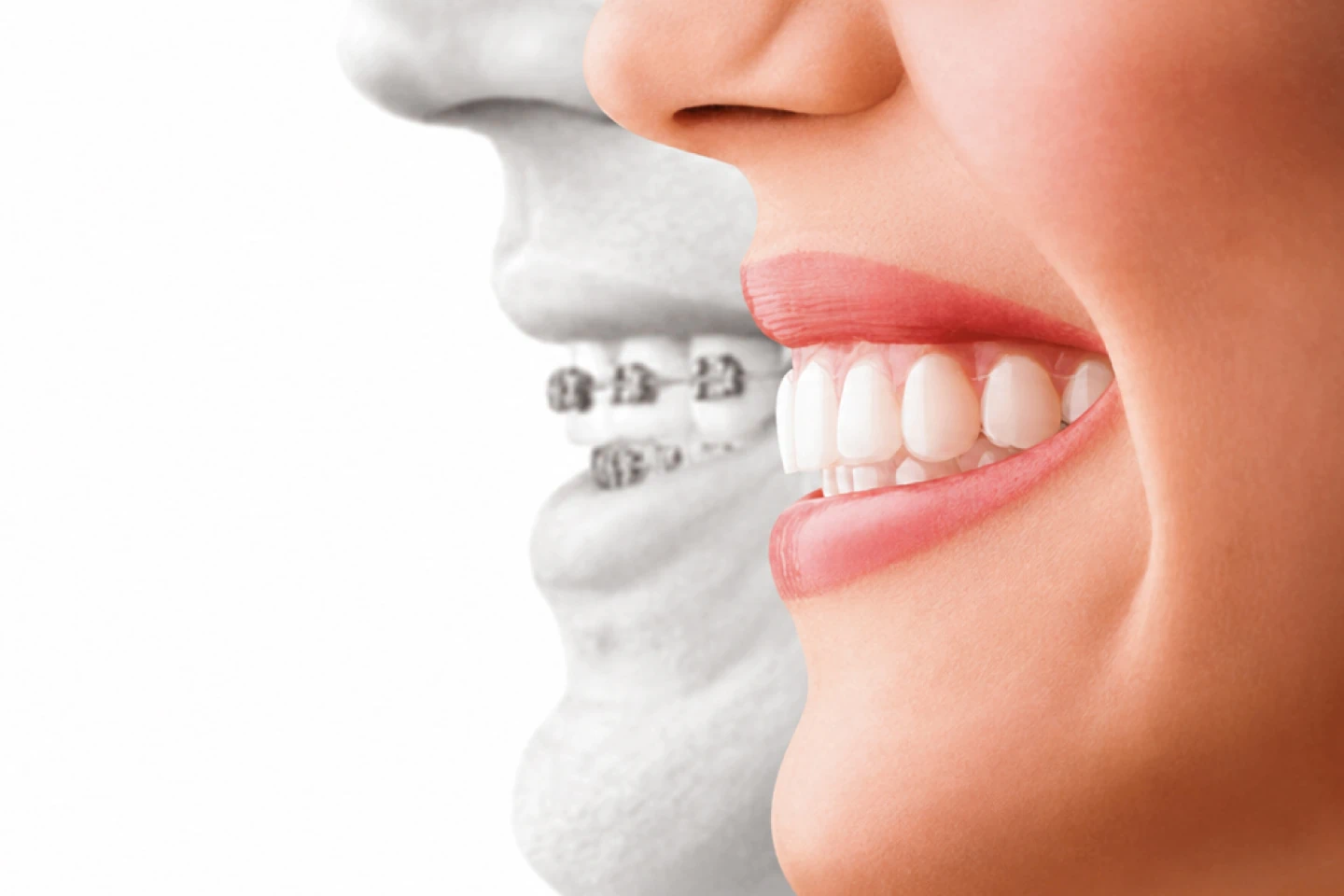
Many adults have considered straightening their teeth at some point but hesitate because they are unsure which treatment is right for them. Should you choose nearly invisible aligners or traditional braces? The answer depends on your smile, lifestyle, and orthodontic needs.
Both Invisalign and braces are highly effective at correcting misaligned teeth, bite problems, and crowded smiles. However, each option offers unique advantages that may make it a better fit for different patients.
If you are considering orthodontic treatment, understanding how Invisalign and braces compare can help you make an informed decision. A consultation with an experienced dentist in Manteca, CA, is the best way to determine which solution is right for your smile.
How Do Invisalign and Braces Work?
Both treatments gradually move teeth into healthier, more functional positions using gentle, controlled pressure.
- Traditional Braces: Use metal or ceramic brackets attached to the teeth and connected with wires that are adjusted periodically throughout treatment.
- Invisalign: Uses a series of custom-made clear aligners that fit snugly over your teeth. Each set of aligners is worn for approximately one to two weeks before progressing to the next stage of treatment.
Although both methods achieve similar goals, they differ significantly in appearance, maintenance, and daily convenience.
Appearance: The Most Noticeable Difference
For many adults, appearance is one of the biggest deciding factors.
Invisalign aligners are made from clear plastic, making them much less noticeable than braces. Many people can complete their smile transformation without friends, colleagues, or clients even realizing they are wearing aligners.
Traditional braces remain visible throughout treatment, although ceramic braces provide a more discreet appearance than metal brackets. Adults who regularly attend business meetings, social events, or public-facing jobs often appreciate the subtle appearance of Invisalign.
Comfort During Treatment
Every orthodontic treatment involves occasional pressure as teeth gradually move.
Because Invisalign aligners have smooth plastic edges, they generally cause less irritation to the cheeks and lips than traditional brackets and wires. Braces may initially create sore spots inside the mouth, particularly after adjustments. Broken wires or loose brackets can also occasionally cause discomfort until repaired.
While some soreness is expected with both options, most patients adjust within a few days after each stage of treatment.
Eating Your Favourite Foods
One of Invisalign's biggest advantages is that the aligners are removable.
Patients simply remove the trays before eating or drinking anything other than water. This means there are no dietary restrictions, allowing you to continue enjoying foods such as popcorn, nuts, apples, and chewy bread without worrying about damaging your orthodontic appliance.
With braces, certain foods should be avoided because they can bend wires or loosen brackets. Sticky sweets, hard candies, chewing ice, caramel, and crunchy snacks often require extra caution throughout treatment.
Oral Hygiene Is Easier with Invisalign
Keeping your teeth clean is important during orthodontic treatment.
Since Invisalign aligners are removable, you can continue brushing and flossing normally before placing the trays back into your mouth. Braces require additional care because brackets and wires create places where food particles and plaque can accumulate. Patients often need special brushes or floss threaders to clean effectively around orthodontic appliances.
Maintaining excellent preventive dental care helps reduce the risk of cavities, staining, and gum disease regardless of which treatment you choose.
Which Treatment Works Faster?
Treatment time depends on the complexity of your orthodontic needs rather than the appliance itself.
Many adults complete Invisalign treatment in approximately 12 to 18 months, while braces often require 18 to 24 months. However, more complex bite corrections may take longer regardless of the treatment method. Your dental provider will create a personalised treatment plan based on your specific alignment goals.
Are Braces Better for Complex Cases?
Although Invisalign technology has advanced considerably, braces may still be recommended for certain complex orthodontic conditions. Braces are often more suitable for treating:
- Severe crowding
- Significant bite problems
- Large gaps between teeth
- Teeth requiring major rotation
- Complex jaw alignment concerns
For mild to moderate orthodontic issues, exploring Invisalign treatment options can often achieve outstanding results while providing greater convenience throughout the process.
Success Depends on Patient Commitment
Unlike braces, Invisalign can be removed. This flexibility offers many benefits, but it also places greater responsibility on the patient. Aligners should generally be worn for 20 to 22 hours each day to keep treatment progressing as planned.
Frequently removing aligners or forgetting to wear them can delay results and reduce treatment effectiveness. Braces remain fixed to the teeth, making them a better option for patients who may struggle to consistently wear removable aligners.
Cost Considerations
Many adults assume Invisalign always costs significantly more than braces, but this is not necessarily true. The total cost depends on several factors, including:
- Complexity of treatment
- Length of treatment
- Number of aligners required
- Additional orthodontic procedures
- Insurance benefits, if applicable
During a routine examination and consultation, your team can provide a personalised estimate and discuss available payment options.
Which Option Is Better for Adults?
There is no single treatment that is best for everyone.
Invisalign may be an excellent choice if you:
- Prefer a discreet appearance
- Want removable aligners
- Enjoy unrestricted food choices
- Maintain excellent oral hygiene
- Can commit to wearing aligners consistently
Traditional braces may be the better option if you:
- Have complex orthodontic concerns
- Prefer a treatment that cannot be removed
- Need significant bite correction
- Want continuous tooth movement without relying on daily compliance
An orthodontic evaluation allows your dentist to recommend the treatment that best matches your smile goals and oral health needs.
Begin Your Smile Transformation
Choosing between Invisalign and braces is an important decision, but you do not have to make it alone. A comprehensive orthodontic evaluation considers your bite, tooth alignment, lifestyle, and long-term goals before recommending the most suitable treatment.
If you are ready to improve your smile, scheduling an orthodontic evaluation in Manteca is the perfect first step. Whether Invisalign or traditional braces is the better choice for your situation, starting treatment today can help you achieve a healthier, straighter smile that lasts for years.
FAQs on Invisalign vs Braces for Adults
Is Invisalign as effective as traditional braces?
Yes. Invisalign can effectively treat many mild to moderate orthodontic concerns, including crowded teeth, spacing issues, and certain bite problems. However, more complex cases may still be better suited for traditional braces. Your dentist will recommend the most appropriate treatment after evaluating your teeth.
Do adults usually choose Invisalign over braces?
Many adults prefer Invisalign because the clear aligners are discreet and removable. However, some adults still choose braces when they require more advanced tooth movement or want a treatment that does not rely on wearing removable aligners consistently.
How many hours a day should Invisalign aligners be worn?
For the best results, Invisalign aligners should generally be worn for 20 to 22 hours each day. They should only be removed for eating, drinking anything other than water, brushing, and flossing. Wearing them less than recommended can prolong treatment.
Are braces more painful than Invisalign?
Both treatments may cause temporary soreness as teeth begin to move. Invisalign aligners are often considered more comfortable because they have smooth plastic edges, while braces may occasionally irritate the cheeks or lips due to brackets and wires.
Can adults achieve the same results as teenagers with orthodontic treatment?
Yes. Healthy adult teeth can be successfully moved with orthodontic treatment. Although treatment may sometimes take slightly longer than it does for younger patients, adults can achieve excellent functional and cosmetic improvements with either Invisalign or braces.

See Why Patients Choose Manteca Smiles
Hear from our patients about their experiences at our Manteca dental office and why Manteca Smiles is the go-to choice for family and cosmetic dentistry. Our long-standing reputation is built on trust, comfort, and consistently positive outcomes.
Get in Touch with Manteca Smiles
Book your appointment at Manteca Smiles and enjoy trusted, family-friendly dental care in the heart of Manteca.


Monday to Thursday - 8.30 a.m. to 5:00 p.m.
Friday, Saturday and Sunday - Closed




© Manteca Smiles 2026. All Rights Reserved | Privacy Policy | Digital Marketing by Remedo