
Tips for Easing Dental Anxiety in Kids
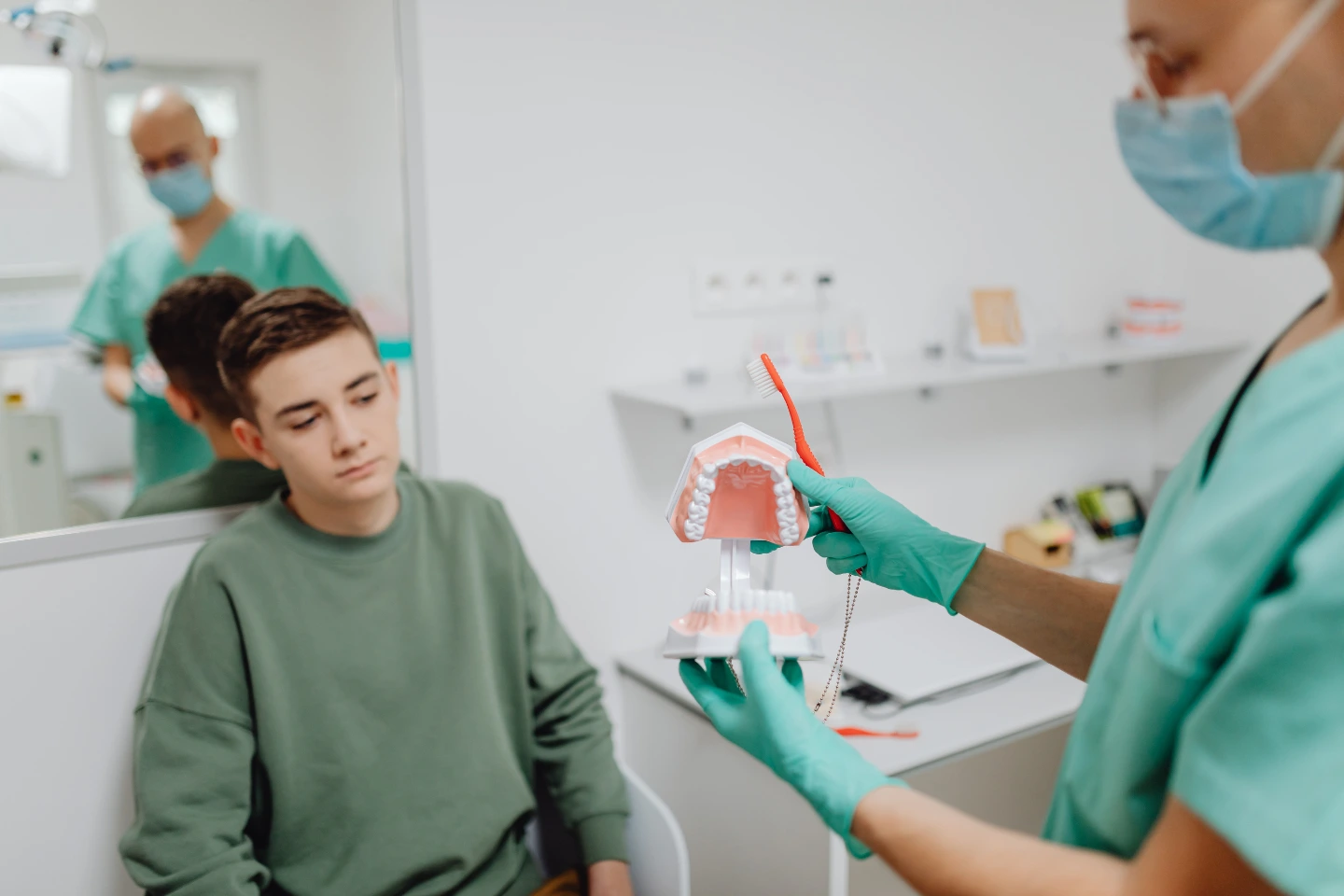
A trip to the dentist can feel unfamiliar for a child, especially the first few times. New sounds, bright lights, and not knowing what will happen can make some kids nervous. A little preparation and reassurance make a big difference.
Below are practical ways to ease dental anxiety, from what to say before the visit to how to work with the dental team once you are in the office. If you are also planning a first appointment, our post on preparing your child for their first dental visit covers the basics.
Why Do Children Feel Nervous About Dental Visits?
Kids get anxious about the dentist for different reasons. Some do not like unfamiliar places, some worry about pain, and others simply do not know what to expect. Common causes include:
- Unfamiliar instruments, sounds, and smells
- Worry about pain or discomfort
- A past uncomfortable medical or dental visit
- Not wanting to be separated from a parent
- Scary stories from friends, siblings, or TV
- Not understanding why dental care matters
Figuring out what is behind your child's nerves helps you respond with the right kind of reassurance.
1. Talk About the Dentist in a Positive Way
Children pick up on how adults talk about the dentist. Use calm, simple language: the dentist counts teeth, checks that they are healthy, and helps keep your child's mouth strong.
Avoid scary words and stories about pain or needles, even as a joke. Remarks that seem harmless to you can make a child worry before the appointment starts. Focus instead on what your child can expect, and invite their questions. If you do not know an answer, say the dental team can explain.
2. Stay Calm Yourself
Kids look to parents to decide how to feel about new situations. If you are tense, they notice. Take a breath, keep your voice steady, and treat the visit as a normal part of taking care of yourself.
If you feel nervous about the dentist too, try to keep your own stories to yourself in front of your child. It also helps to let the team know, because they can work with you both.
3. Prepare Your Child Before the Appointment
Children relax when they know what is coming. Explain that the dentist will look at their teeth, count them, and check their gums. You can read picture books about dental visits, or play pretend dentist at home, taking turns "examining" a toy's teeth and practicing opening wide.
Keep the explanation short and age-appropriate. Too many details can create new worries. The goal is for the appointment to feel familiar, not scary.
4. Consider a Short Meet-and-Greet
For a child who is very nervous, seeing the office before the appointment can help. Ask whether you can stop by to say hello, look around the waiting room, and meet the team without any treatment taking place. You can also learn about our team ahead of time and talk to your child about who they will meet.
5. Choose a Comfortable Time of Day
A tired or hungry child has a harder time with anything new. When you can, pick an appointment that fits your child's routine, and avoid nap times and mealtimes for younger kids.
Leave enough time to arrive without rushing. A calm start helps your child settle in. If your child has sensory sensitivities or gets overwhelmed easily, tell the team when you book so they can plan for it.
6. Acknowledge Their Feelings
Telling a child "there is nothing to be scared of" can make them feel unheard. Try something like, "I know this feels new, and the dentist will tell you each step." Naming the feeling lets your child know it is okay.
Do not criticize your child for crying or feeling afraid. Anxiety is a normal reaction to something unfamiliar, and confidence often builds over several visits.
7. Never Use the Dentist as a Threat
Statements like "if you do not brush, the dentist will give you a shot" teach kids to fear the office. Present dental visits as a normal part of staying healthy, not as punishment for eating sweets or misbehaving.
Instead, explain that dentists help keep teeth healthy and check for problems early. That framing builds a positive relationship with dental care that lasts into adulthood.
8. Bring a Comfort Item and a Distraction
A favorite stuffed animal, a small blanket, or a book can help a child feel secure, provided the office allows it. A quiet activity also makes the waiting room easier.
Children who are sensitive to sounds, lights, or unfamiliar surroundings can sometimes benefit from small adjustments, so ask the team what is possible. Small changes can make a big difference.
9. Learn Simple Calming Techniques
A few easy skills give kids a sense of control during the appointment:
- Slow breathing: Practice breathing in through the nose like smelling a flower and out through the mouth like blowing out a candle.
- A stop signal: Agree on a hand signal, such as raising a hand, that tells the dentist your child needs a break.
- Imagination: Ask your child to picture a favorite place or tell you a story in their head while the dentist works.
- Counting or singing: Silent counting or humming can give a nervous child something to focus on.
Practice these at home first, so they feel natural in the dental chair.
10. Encourage Without Pressure
Praise specific actions: sitting in the chair, opening wide, or asking a question. Avoid comparing your child with a sibling or friend. Every child adjusts at their own pace.
If your child becomes upset, work with the dental team on the best next step instead of pushing through. A calm pause is better than a scary experience.
11. Choose a Practice That Understands Children
A supportive team makes a real difference. When you choose a family dentist, ask how the office helps nervous patients and how the team talks to kids. Look for people who explain things in age-appropriate language, listen to concerns, and make time for questions.
Starting visits early gives children time to get comfortable before problems appear. Most dentists recommend a first visit by a child's first birthday, or within six months of the first tooth coming in, as we explain in our post on starting dental visits early. At Manteca Smiles, parents can ask about preventive care and children's visits through our general dentistry services.
12. Build Confidence With Regular Visits
Waiting until your child has a toothache usually makes the experience harder. A toothache or a cavity can turn a first visit into a stressful one, while a routine check-up is short and low-key.
Regular dental exams let the team monitor developing teeth, talk about brushing, and catch concerns early. Cavities are one of the most common dental problems in children, and good habits at home reduce the chances of needing treatment. For ideas, see how you can help your child prevent cavities.
How often your child should visit depends on their oral health and risk factors. Your dentist can suggest a schedule.
13. Tell the Dentist About Your Child's Fears
If your child has been nervous at the dentist before, say so ahead of time. Explain what upset them, what made things harder, and what helped. That information lets the team adjust how they speak and what they do.
For children with strong or ongoing anxiety, ask the dentist about behavior guidance techniques and whether additional support might help. If your child struggles repeatedly, the goal is to find a calm, workable way to get them the care they need.
Words That Help and Words to Skip
The way you describe the visit matters. A few swaps can lower your child's stress:
- Say "the dentist will count your teeth" instead of "it will not hurt."
- Say "you can raise your hand if you need a break" instead of "do not cry."
- Say "they will clean your teeth so they stay strong" instead of "they will fix your cavities."
- Skip words like shot, drill, pain, and hurt when you describe the visit.
When Should Parents Seek Extra Help for Dental Anxiety?
Some nervousness is common. But if your child feels intense distress, has a persistent fear, or repeatedly struggles to get needed treatment, talk to your dentist. The team can look for triggers and suggest ways to make future visits easier, and in some cases may recommend additional behavior guidance or specialist support.
Do not delay care for tooth pain, facial swelling, or a dental injury because your child is anxious. Call the office and ask how to arrange an appropriate visit.
Help Your Child Feel Comfortable at Manteca Smiles
Helping a child feel at ease starts with preparation, patience, and a supportive approach. Talking about the dentist in a positive way, explaining what to expect, and acknowledging your child's feelings build confidence over time.
If you are looking for a dentist for your child in Manteca, CA, Manteca Smiles offers dental care for families. To ask a question or book a visit, contact our office or call (209) 239-5996.
Frequently Asked Questions on Easing Dental Anxiety in Kids
At what age should a child first visit the dentist?
Most dentists recommend a first visit by a child's first birthday, or within six months of the first tooth coming in. Early visits let the dentist monitor development and give parents guidance on brushing, feeding habits, and cavity prevention.
What should I do if my child cries at the dentist?
Stay calm, acknowledge their feelings, and avoid scolding. Tell the dental team what is going on so they can decide how to support your child and whether to adjust the appointment.
Should I tell my child that dental treatment will not hurt?
It is better not to promise something you cannot guarantee. Explain that the dentist will tell them what is happening and that they can ask for a break. Honest, calm communication builds trust.
Can dental anxiety affect a child's oral health?
Yes. If anxiety leads to missed appointments or avoided treatment, problems can go unnoticed and get worse. Helping your child feel comfortable supports regular preventive care and timely treatment.
How can I prepare my child for their first dental visit?
Describe the visit in simple, positive language, read a book about going to the dentist, and practice opening wide during pretend play. Pick a good time of day and tell the team about any concerns.
Is it okay to stay with my child during the appointment?
Ask the dental team about their approach. Many parents find it helpful to stay close, and the team can tell you how best to support your child during the visit.

See Why Patients Choose Manteca Smiles
Hear from our patients about their experiences at our Manteca dental office and why Manteca Smiles is the go-to choice for family and cosmetic dentistry. Our long-standing reputation is built on trust, comfort, and consistently positive outcomes.
Get in Touch with Manteca Smiles
Book your appointment at Manteca Smiles and enjoy trusted, family-friendly dental care in the heart of Manteca.


Monday to Thursday - 8.30 a.m. to 5:00 p.m.
Friday, Saturday and Sunday - Closed




© Manteca Smiles 2026. All Rights Reserved | Privacy Policy | Digital Marketing by Remedo