
What Happens During a Dental Cleaning? A Step-by-Step Guide
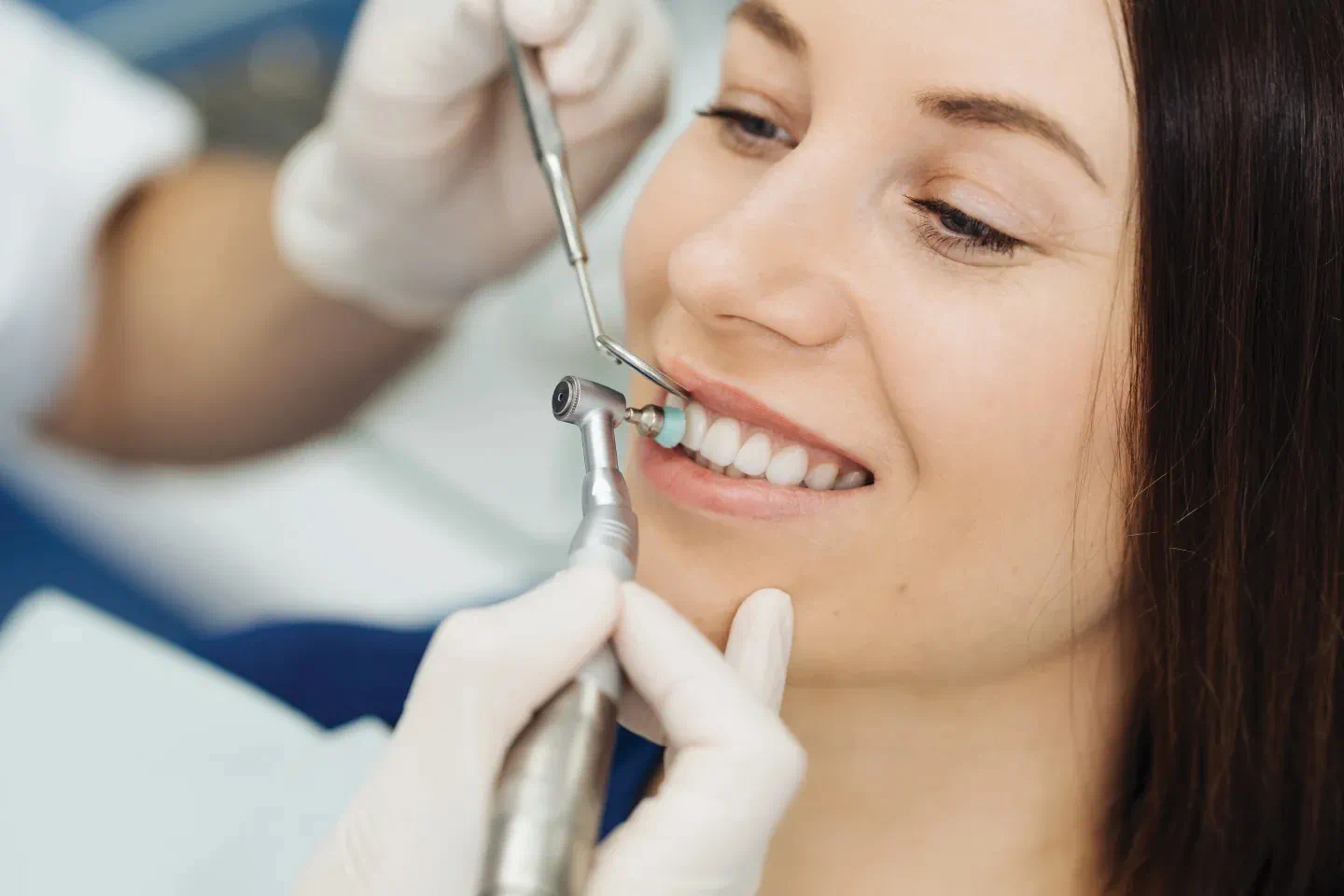
Regular dental cleanings are an important part of maintaining healthy teeth and gums. Even with consistent brushing and flossing at home, plaque and tartar can accumulate in areas that are difficult to clean effectively.
A professional dental cleaning allows your dental team to remove these deposits and check the health of your teeth and gums. Understanding what happens during a cleaning can make your appointment feel more familiar and help you know what to expect.
At Manteca Smiles, we provide professional dental cleanings, as part of comprehensive general dentistry services. Here is a step-by-step look at what may happen during a typical dental cleaning.
What Is Dental Cleaning?
A dental cleaning is a professional procedure designed to remove plaque, tartar, and certain surface stains from your teeth.
Plaque is a sticky film of bacteria that develops on teeth throughout the day. Regular brushing and flossing can help control plaque, but if it is not removed completely, it can harden into tartar. Once tartar forms, it cannot be removed effectively with a regular toothbrush and requires professional dental instruments.
Professional cleanings can help maintain cleaner teeth and healthier gums while allowing your dental team to identify potential oral health concerns.
Regular cleanings are also an important part of preventive dental care, which focuses on identifying and addressing oral health concerns before they become more extensive.
Step 1: Reviewing Your Oral Health
Your dental appointment may begin with a review of your oral health and any concerns you have noticed since your last visit.
Your dental team may ask about:
- Tooth sensitivity
- Gum bleeding
- Changes in your oral health
- Dental discomfort
- Changes in your medical history
- Any concerns about your teeth or gums
Sharing this information can help your dental team understand your current oral health and determine whether additional evaluation may be needed.
If you have recently experienced dental pain or another urgent concern, make sure you mention it before your cleaning so your dentist can determine whether additional evaluation is necessary.
Step 2: Examining Your Teeth and Gums
Before or during the cleaning, your dentist or dental hygienist may examine your teeth and gums.
They may look for signs of:
- Plaque and tartar buildup
- Gum inflammation
- Tooth decay
- Gum recession
- Damaged or worn teeth
- Other changes in your oral health
Dental examinations and cleanings often work together as part of preventive care. Your dentist may also recommend diagnostic imaging when it is appropriate to evaluate areas that cannot be seen during a visual examination. Manteca Smiles offers digital X-rays and other diagnostic technology as part of its comprehensive dental services.
If an area requires further attention, your dentist may recommend additional evaluation or treatment.
Step 3: Removing Plaque and Tartar
One of the main parts of a professional cleaning is removing plaque and tartar from your teeth.
Your dental hygienist uses specialised instruments to carefully remove deposits from the surfaces of your teeth and around the gumline.
You may hear scraping sounds during this part of the appointment. Some areas may also feel slightly sensitive, particularly if you have significant tartar buildup or sensitive gums.
Professional tartar removal is important because hardened tartar cannot be removed through brushing and flossing alone.
Step 4: Cleaning Between the Teeth
Your dental hygienist may also clean between your teeth to remove plaque and debris from areas that are difficult to reach with a toothbrush.
Interdental cleaning is an important part of maintaining healthy gums because plaque can collect between teeth and along the gumline.
Your dental team may also demonstrate flossing or recommend other interdental cleaning tools based on your individual needs.
If you have difficulty cleaning certain areas of your mouth, let your dental team know. They can help you find a technique or tool that works better for your smile.
Step 5: Polishing Your Teeth
After plaque and tartar have been removed, your teeth may be polished using a specialised dental instrument and polishing material.
Polishing can help remove certain surface stains and leave your teeth feeling smoother and cleaner.
You may notice a gritty sensation from the polishing material, but the process is generally straightforward and relatively quick.
A professional cleaning is different from cosmetic procedures designed specifically to change the colour of your teeth. If you are interested in improving the appearance of your smile, your dentist can discuss whether cosmetic dentistry in Manteca may be appropriate for your goals.
Step 6: Fluoride Treatment May Be Recommended
Depending on your oral health needs, your dental team may recommend a fluoride treatment after your cleaning.
Fluoride can help strengthen tooth enamel and support protection against cavities. Whether fluoride treatment is recommended may depend on factors such as your cavity risk, age, oral health, and individual needs.
Your dentist or hygienist can explain whether fluoride treatment may be appropriate for you.
Preventive treatments such as fluoride are included among the general dentistry services offered by Manteca Smiles.
Step 7: Discussing Your Oral Hygiene Routine
A dental cleaning is also an opportunity to discuss how you care for your teeth at home.
Your dental team may provide guidance on:
- Brushing technique
- Flossing technique
- Cleaning between your teeth
- Choosing oral hygiene products
- Areas that may need extra attention
- How often you should receive professional cleanings
Your recommendations may change depending on your gum health, cavity risk, dental history, and other factors.
If your dentist identifies signs of gum disease, you may need more than a routine cleaning. In those situations, periodontal treatment may be recommended based on the condition of your gums and supporting tissues.
Step 8: Your Dentist Reviews Your Oral Health
After the cleaning, your dentist may review the findings from your examination and discuss any concerns that were identified.
If additional treatment is needed, your dentist can explain the available options and why they may be recommended.
Depending on your oral health, your dental team may also recommend when you should return for your next cleaning or examination.
If an examination identifies a damaged or weakened tooth, restorative treatment may sometimes be necessary. For example, dental crowns in Manteca may be considered for teeth that are cracked, severely worn, or have significant structural damage.
How Long Does a Dental Cleaning Take?
The length of a dental cleaning can vary depending on your oral health and the amount of plaque or tartar that needs to be removed.
A routine cleaning may be completed within a relatively short appointment, while patients with significant tartar buildup or gum problems may require additional time or a different type of periodontal treatment.
Your dental team can give you a better idea of what to expect based on your individual needs.
Does a Dental Cleaning Hurt?
For many people, a routine dental cleaning is comfortable. However, you may experience some sensitivity or mild discomfort during certain parts of the cleaning.
Sensitivity can be more noticeable if you have:
- Sensitive teeth
- Inflamed gums
- Gum recession
- Significant tartar buildup
- Areas that are difficult to clean
If you experience discomfort during your cleaning, let your dental hygienist know. They can adjust their approach and help make the appointment more comfortable.
Patients who have significant gum disease may require a deeper type of cleaning. Periodontal cleaning, also known as scaling and root planing, is designed to remove plaque and tartar from below the gumline and clean the root surfaces.
How Often Should You Get a Dental Cleaning?
The appropriate frequency of professional dental cleanings varies from person to person.
Some patients may benefit from routine cleanings at regular intervals, while people with gum disease or other oral health concerns may need more frequent professional care.
Your dentist can recommend a cleaning schedule based on your oral health, dental history, and risk factors.
Regular professional cleanings are only one part of preventive dental care. Brushing twice daily, cleaning between your teeth, maintaining a balanced diet, and attending dental examinations also contribute to good oral health.
What Is the Difference Between a Dental Cleaning and a Deep Cleaning?
A routine dental cleaning is generally intended to remove plaque, tartar, and surface stains from the teeth and support preventive oral care.
A deep cleaning, also called scaling and root planing, may be recommended when gum disease has affected areas below the gumline.
Deep cleaning involves more extensive removal of plaque and tartar from the tooth surfaces and below the gums. The treatment recommended depends on the condition of your gums and supporting tissues.
Manteca Smiles describes periodontal cleaning as a treatment that removes plaque and tartar buildup beneath the gumline and smooths the root surfaces to support gum healing.
Your dentist can determine which type of cleaning is appropriate after evaluating your oral health.
Why Are Regular Dental Cleanings Important?
Professional dental cleanings help remove deposits that may be difficult to eliminate with everyday brushing and flossing.
They also give your dental team an opportunity to monitor your oral health and identify changes that may require attention.
Regular cleanings can be an important part of preventing plaque and tartar buildup and supporting healthier teeth and gums.
However, professional cleanings do not replace daily oral hygiene. Brushing and cleaning between your teeth remain important between dental appointments.
Routine cleanings and dental examinations are included among the preventive services provided through family dentistry in Manteca.
How to Prepare for Your Dental Cleaning
There is usually no complicated preparation required for a routine dental cleaning.
Before your appointment:
- Continue your normal brushing and flossing routine
- Tell your dental team about any oral discomfort or sensitivity
- Provide updates about changes in your medical history
- Bring up any concerns about your teeth or gums
- Follow any specific instructions provided by your dental office
You do not need to wait until your appointment to mention a problem. If you have persistent bleeding, swelling, sensitivity, or dental pain, let your dental team know.
If you are experiencing severe or sudden dental pain, swelling, or an injury rather than simply coming in for routine preventive care, you may need an emergency dentist in Manteca for prompt evaluation.
Maintaining Your Smile After a Dental Cleaning
The results of a professional cleaning can be supported by good oral hygiene at home.
To help maintain your teeth and gums:
- Brush your teeth twice daily
- Clean between your teeth every day
- Limit frequent sugary snacks and drinks
- Avoid tobacco products
- Replace your toothbrush or toothbrush head as recommended
- Attend regular dental examinations
- Follow your dentist's recommendations for professional cleanings
Good daily habits can help reduce plaque buildup between professional appointments and support your overall oral health.
What to Expect From Your Next Dental Cleaning
A dental cleaning is more than simply having your teeth polished. It is an opportunity to remove plaque and tartar, assess your teeth and gums, discuss your oral hygiene routine, and identify concerns that may need additional attention.
The exact steps can vary depending on your oral health and individual needs. Your dental team can explain what they are doing throughout the appointment and answer any questions you may have.
If you are due for a professional cleaning, schedule an appointment with a trusted dentist in Manteca, CA to keep your teeth and gums clean and support your long-term oral health.
FAQs on What Happens During a Dental Cleaning
Q: How often should I get a professional dental cleaning?
A: The recommended frequency depends on your oral health and individual risk factors. Many people benefit from regular preventive cleanings, while patients with gum disease or other concerns may require more frequent visits. Your dentist can recommend a schedule based on your needs.
Q: Can a dental cleaning remove tartar?
A: Yes. Dental professionals use specialised instruments to remove hardened tartar from the teeth and around the gumline. Tartar cannot be effectively removed with regular brushing and flossing at home.
Q: Can I brush and floss before a dental cleaning?
A: Yes. You should continue your normal oral hygiene routine before your appointment. Brushing and cleaning between your teeth can help remove loose plaque and food debris, although professional cleaning is still needed to remove hardened tartar.
Q: Why are my gums sensitive during a dental cleaning?
A: Gum sensitivity can occur when the gums are inflamed, when there is significant tartar buildup, or when the roots of the teeth are exposed due to gum recession. Tell your dental hygienist if you experience discomfort so they can adjust the cleaning as needed.
Q: Is a dental cleaning the same as a dental examination?
A: No. A cleaning focuses primarily on removing plaque, tartar, and certain surface stains. A dental examination involves evaluating your teeth, gums, bite, and overall oral health for signs of dental problems. Both can play an important role in preventive dental care.
Q: What is the difference between a regular cleaning and a deep cleaning?
A: A regular cleaning focuses on removing plaque, tartar, and surface deposits from the teeth and along the gumline. A deep cleaning, or scaling and root planing, is used when gum disease requires cleaning below the gumline and along the root surfaces. Your dentist can determine which type of treatment is appropriate after evaluating your gums.
Q: Can I eat after a dental cleaning?
A: In many cases, you can eat after a routine cleaning. However, if fluoride or another treatment was applied, your dental team may provide specific instructions about when to eat or drink. Follow the recommendations provided after your appointment.

See Why Patients Choose Manteca Smiles
Hear from our patients about their experiences at our Manteca dental office and why Manteca Smiles is the go-to choice for family and cosmetic dentistry. Our long-standing reputation is built on trust, comfort, and consistently positive outcomes.
Get in Touch with Manteca Smiles
Book your appointment at Manteca Smiles and enjoy trusted, family-friendly dental care in the heart of Manteca.


Monday to Thursday - 8.30 a.m. to 5:00 p.m.
Friday, Saturday and Sunday - Closed




© Manteca Smiles 2026. All Rights Reserved | Privacy Policy | Digital Marketing by Remedo