
What to Eat After Oral Surgery with Stitches?
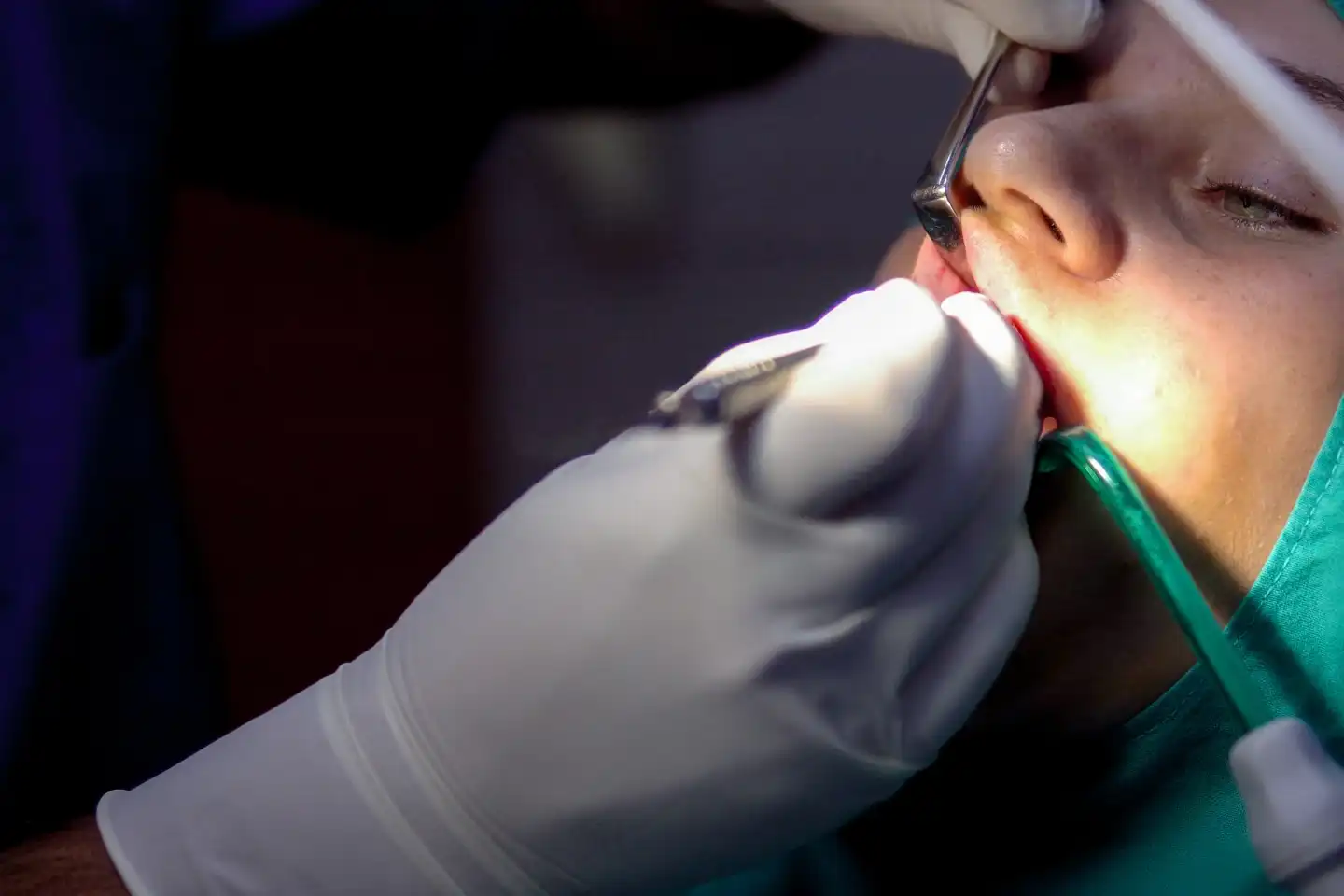
Oral surgery is an important step in restoring your health, comfort, and smile. Whether you had a tooth extraction, implant placement, gum surgery, or another procedure, proper aftercare plays a major role in how quickly and comfortably you heal. One of the most common questions patients ask is what they should eat after oral surgery, especially when stitches are involved.
Eating the right foods protects the surgical site, prevents irritation, and helps your body recover faster. At Manteca Smiles, our team provides detailed post-operative instructions to ensure a smooth and healthy healing process. You can learn more about our oral surgery services.
Below is a complete guide on what you can safely eat after oral surgery with stitches.
Why Your Diet Matters After Oral Surgery
Your mouth is sensitive after surgery. The tissues need time to heal, and the surgical area must remain clean and protected.
Eating soft, easy-to-chew foods helps:
- Prevent irritation of the stitches
- Reduce pressure on the surgical area
- Lower the risk of infection
- Support proper healing
- Keep you comfortable
Soft, nutritious foods are your best friend during the first few days.
Foods You Can Eat After Oral Surgery
1. Smoothies
Smoothies are one of the easiest foods to consume after surgery. They provide vitamins and hydration without requiring chewing. Choose soft fruits like bananas, mangoes, peaches, or berries.
Avoid using a straw because suction can disturb the stitches. Sip from a cup instead.
2. Mashed Potatoes
Warm (not hot) mashed potatoes are soft, filling, and comforting. Add a little butter or broth for flavor. Make sure the potatoes are smooth to avoid irritating the surgical area.
3. Yogurt and Pudding
Yogurt, pudding, and custard are gentle on the mouth and easy to swallow. Choose plain, Greek, or lightly flavored yogurts to avoid excess sugar.
4. Soups and Broths
Warm soups provide nourishment and hydration. Blended soups like tomato, pumpkin, carrot, or cream soups are ideal. Avoid soups with large chunks during the first few days.
5. Scrambled Eggs
Soft scrambled eggs are a great source of protein and easy on the mouth. They are fluffy, gentle, and filling without requiring much chewing.
6. Applesauce
Applesauce is smooth and easy to swallow, making it perfect when your mouth is tender. It is also gentle on stitches.
7. Oatmeal and Cream of Wheat
Warm cereals can be eaten once the initial tenderness decreases, usually within one to two days. Make them thin and smooth to prevent discomfort.
8. Soft Pasta
Overcooked pasta, such as macaroni or small noodles, can be eaten once you are comfortable. They should be soft enough to chew effortlessly. Avoid spicy sauces during the early healing period.
Foods You Should Avoid After Oral Surgery
Avoid foods that can disturb the stitches or the healing site. Foods to avoid include:
1. Hard or Crunchy Foods
Chips, nuts, popcorn, and crackers can irritate the area or get stuck in the stitches.
2. Spicy Foods
Spices can cause burning sensations and irritate the surgical area.
3. Acidic Foods
Citrus fruits or juices can sting and slow healing.
4. Hot Foods or Drinks
High temperatures may cause bleeding or irritation. Choose warm foods instead of hot.
5. Sticky or Chewy Foods
Gum, caramel, and chewy candies can pull on the stitches.
6. Straws
Suction from straws can dislodge the blood clot and cause complications. Sip everything from a cup.
How Long Should You Follow a Soft Diet
The length of time depends on the type of oral surgery you had. Most patients follow a soft diet for three to seven days, although some may need longer. If you had wisdom teeth removal, extractions with bone grafting, or implant placement, your dentist may advise extending the soft diet.
If you are unsure whether you can return to normal foods, you can always reach out to our team for guidance.
If a general range isn't specific enough, here's roughly how it plays out day by day for most patients — though your dentist's instructions always take priority over any general timeline:
- Days 1–2: Liquids and anything spoonable — smoothies, broth, yogurt, mashed potatoes.
- Days 3–5: Move into soft, mashed, or blended foods once the sharpest tenderness fades.
- Days 6–7 and beyond: Start reintroducing regular soft foods one at a time, and back off if anything tugs at the site.
How Long Do Dissolvable Stitches Last in Your Mouth?
Most dissolvable stitches used in oral surgery are gone within 7 to 14 days. Some of the thicker materials, the kind your dentist might use after a deeper extraction or bone graft, can hang around for three to four weeks. It really depends on the suture material and how the site is healing, not just the calendar.
A little fraying or looseness toward the end is normal, it's actually a sign the stitch is dissolving the way it's supposed to. What's not normal is a stitch coming out early alongside fresh bleeding, or the area looking more swollen than it did a few days before. Resist the urge to tug at a loose thread; let it fall out on its own, or have us trim it at a follow-up. The American Dental Association points out that disturbing a healing socket is one of the more common ways patients end up with dry socket, which is a bigger setback than a stray stitch ever would be.
If you want the fuller week-by-week picture, including when swelling should peak and when it's reasonable to expect to feel back to normal, we cover that in how long it takes to recover from oral surgery.
Additional Tips for Eating Comfortably After Oral Surgery
- Chew on the opposite side of the surgical site.
- Keep the area clean by following your aftercare instructions.
- Drink plenty of water throughout the day.
- Avoid alcohol and smoking because these slow down healing.
- Brush gently around the stitches.
If you have questions or concerns about your stitches or healing, schedule a visit through our appointment page.
When to Contact Your Dentist
Call your dentist if you experience:
- Increased pain after three days
- Persistent bleeding
- Severe swelling
- Bad taste or odor in the mouth
- Fever or signs of infection
- Loose stitches
Prompt care ensures a smooth and safe recovery.
Frequently Asked Questions About Eating With Mouth Stitches
Can I drink liquids with stitches in my mouth?
Yes, just skip the straw and anything carbonated for the first few days. Sip water, milk, or juice straight from the cup. Carbonation catches a lot of patients off guard; it's more irritating than you'd expect right after surgery.
Can I eat ice cream after tooth extraction with stitches?
Plain, soft-serve style ice cream is actually fine, and the cold can help with swelling. Skip anything with nuts, cookie chunks, or crunchy mix-ins, and let it soften a bit before you dig in.
How long after tooth extraction with stitches can I eat solid food again?
Most people ease back into normal chewing around day 7, though it varies by procedure, wisdom teeth removal and implant placement tend to take a little longer than a simple extraction. Our types of oral surgeries and wisdom teeth removal articles break down what's different about each if you want specifics for your situation.
What foods should I avoid completely while I have stitches?
Anything hard, sticky, spicy, acidic, or served too hot. Popcorn and nuts cause the most trouble we see in practice, small hard pieces have a way of ending up exactly where you don't want them.
How can I help my mouth stitches heal faster?
Keep the area clean, stay hydrated, avoid smoking, and try not to poke at the stitches with your tongue, harder than it sounds, we know. Past that, healing mostly just needs time. There's no real shortcut.
Eat Soft, Heal Fast, and Follow Your Dentist's Instructions
The right foods can make a big difference in your comfort and healing after oral surgery. Stick to soft, nourishing options and avoid anything that could disturb the surgical site or stitches. With careful eating habits and proper at-home care, your recovery will be smooth and efficient.
If you need help or want to schedule a follow-up appointment, you can book your visit here.

See Why Patients Choose Manteca Smiles
Hear from our patients about their experiences at our Manteca dental office and why Manteca Smiles is the go-to choice for family and cosmetic dentistry. Our long-standing reputation is built on trust, comfort, and consistently positive outcomes.
Get in Touch with Manteca Smiles
Book your appointment at Manteca Smiles and enjoy trusted, family-friendly dental care in the heart of Manteca.


Monday to Thursday - 8.30 a.m. to 5:00 p.m.
Friday, Saturday and Sunday - Closed




© Manteca Smiles 2026. All Rights Reserved | Privacy Policy | Digital Marketing by Remedo