
Oral Surgery in Ripon
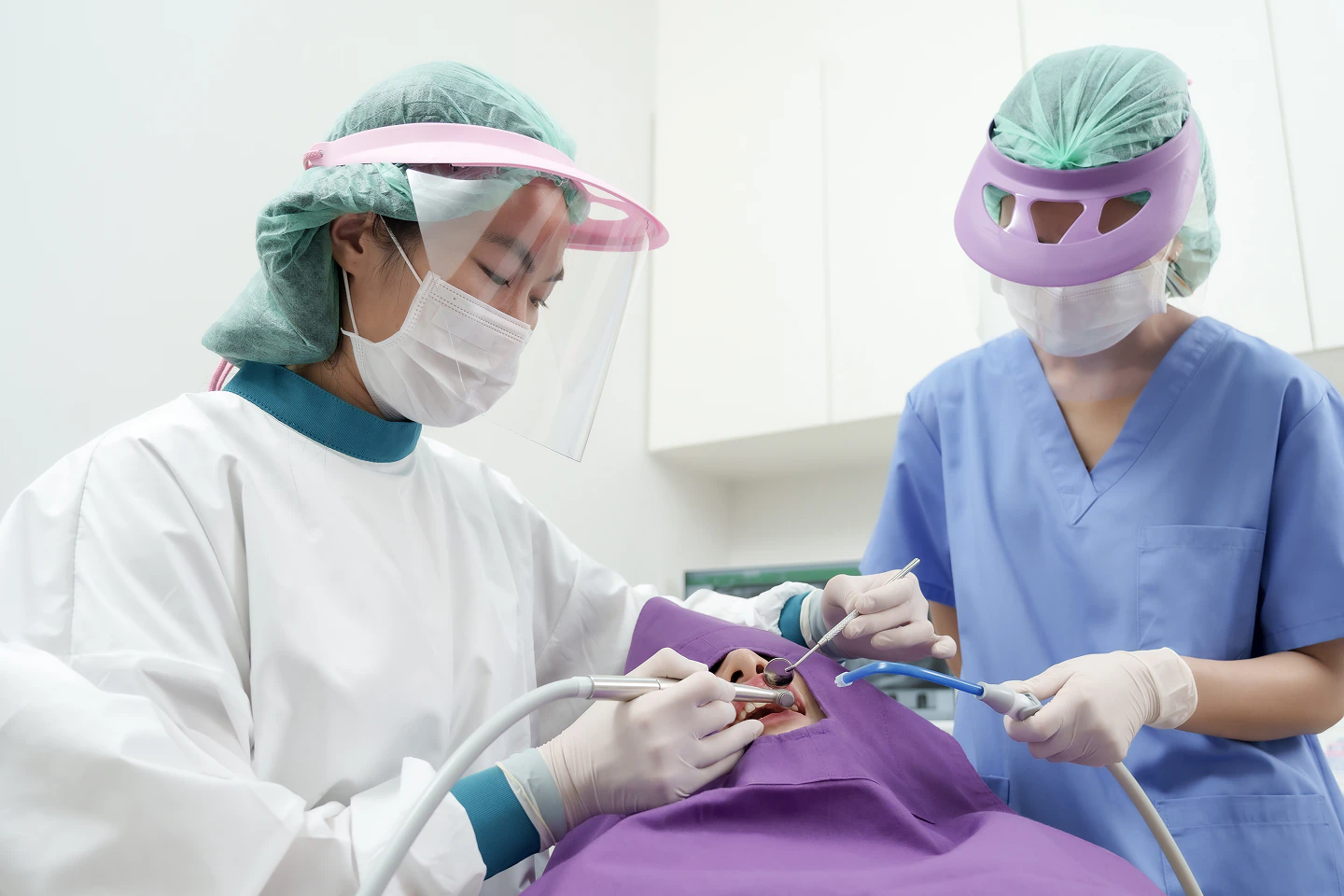
If you are looking for oral surgery in Ripon, receiving timely treatment can help relieve pain, restore oral health, and prevent more serious dental complications. Whether you have a severely damaged tooth, impacted wisdom teeth, a dental infection, or require a surgical procedure before restorative treatment, oral surgery can provide lasting solutions when conservative treatments are no longer appropriate.
At Manteca Smiles, we provide personalized oral surgery for patients from Ripon and the surrounding communities. Our experienced team uses modern technology and gentle techniques to make your procedure as comfortable as possible while supporting a smooth recovery and long-term oral health.
What Is Oral Surgery?
Oral surgery includes a range of procedures performed to treat conditions affecting the teeth, gums, jawbone, and surrounding oral tissues. While many dental problems can be treated with fillings, crowns, or root canals, some conditions require surgical care to eliminate infection, relieve pain, or prepare the mouth for future restorative treatment.
Every oral surgery procedure begins with a comprehensive examination so we can determine the most appropriate treatment based on your individual needs.
Benefits of Oral Surgery
Patients from Ripon may benefit from oral surgery because it can:
- Relieve persistent tooth pain and infection
- Remove severely damaged or non-restorable teeth
- Treat impacted wisdom teeth
- Preserve surrounding teeth and bone health
- Improve oral function and comfort
- Prepare the jaw for dental implants in Ripon
- Prevent future dental complications
- Support long-term oral health
Treating dental problems promptly often helps prevent more extensive treatment later.
Oral Surgery Procedures We Offer
Depending on your condition, your provider may recommend one or more oral surgery procedures.
Tooth Extractions
Although preserving natural teeth is always our priority, extraction may be necessary when a tooth cannot be restored due to extensive decay, severe fracture, advanced gum disease, or infection.
We perform gentle tooth extractions while prioritizing your comfort throughout the procedure. After removing the tooth, we also discuss options for replacing missing teeth to help maintain proper function and appearance.
Wisdom Teeth Removal
Wisdom teeth frequently become impacted because there is not enough room for them to erupt properly. Impacted wisdom teeth may cause pain, swelling, infection, damage to neighboring teeth, or crowding.
Removing problematic wisdom teeth can help prevent these complications and improve long-term oral health. We carefully evaluate each patient's wisdom teeth using digital imaging before recommending treatment.
Surgical Tooth Removal
Some teeth cannot be removed with a simple extraction because they are broken below the gumline, impacted, or positioned beneath the surrounding bone.
Surgical tooth removal allows your provider to safely access and remove these teeth while minimizing trauma to nearby tissues.
Bone Grafting
Bone grafting may be recommended after certain extractions or before dental implant placement when additional bone support is needed.
This procedure helps preserve or rebuild jawbone volume, creating a stronger foundation for future restorative treatment while maintaining your facial structure.
Dental Implant Preparation
Successful dental implant treatment often begins with careful surgical planning. Depending on your individual needs, oral surgery may include tooth removal, bone grafting, or other preparatory procedures before implant placement.
Our team develops a customized treatment plan designed to maximize the long-term success of your dental implants.
Who Is a Good Candidate for Oral Surgery?
You may benefit from oral surgery if you have:
- A severely damaged or infected tooth
- Impacted wisdom teeth
- Teeth that cannot be restored with fillings or crowns
- Advanced gum disease affecting tooth stability
- Jawbone loss before dental implant treatment
- Persistent oral pain or swelling
- Repeated dental infections
- Teeth that require surgical removal
During your consultation, we will thoroughly evaluate your oral health to determine whether oral surgery is the most appropriate treatment option.
Your Oral Surgery Consultation
Every procedure begins with a detailed evaluation. During your consultation, your provider will:
- Review your dental and medical history
- Perform a comprehensive oral examination
- Take digital X-rays or 3D imaging if needed
- Discuss your diagnosis and treatment options
- Explain the procedure step by step
- Review recovery instructions and expected healing time
- Answer any questions you may have
Our goal is to ensure you feel informed and comfortable before moving forward with treatment.
What to Expect During Recovery
Recovery varies depending on the type of oral surgery performed, but most patients recover comfortably by following their post-operative instructions.
To promote healing, we may recommend:
- Resting for the first 24 hours
- Applying cold compresses to reduce swelling
- Eating soft foods while the area heals
- Avoiding smoking and drinking through a straw
- Taking prescribed or recommended medications as directed
- Keeping the surgical area clean according to your instructions
- Attending follow-up appointments to monitor healing
Most patients notice steady improvement within the first several days after surgery.
Maintaining Your Oral Health After Surgery
After your mouth has healed, maintaining excellent oral hygiene can help protect your remaining teeth and reduce the risk of future dental problems. If you are also interested in improving the appearance of your smile after completing treatment, our cosmetic dentistry services may provide additional options.
We recommend:
- Brushing twice daily with fluoride toothpaste
- Flossing every day
- Attending regular dental cleanings and examinations
- Wearing a nightguard if you grind your teeth
- Avoiding tobacco products
- Seeking prompt treatment if new symptoms develop
Preventive care plays an important role in maintaining your oral health after surgery.
Why Ripon Patients Choose Manteca Smiles
Patients from Ripon choose Manteca Smiles because we provide compassionate, patient-focused care using advanced dental technology and modern surgical techniques. We understand that many patients feel anxious about oral surgery, so our team takes the time to explain every step of the process and prioritize your comfort throughout treatment.
Whether you need a simple extraction, wisdom teeth removal, or surgical preparation for dental implants, we create personalized treatment plans designed to support long-term oral health and successful outcomes. For patients looking to improve tooth alignment after their oral health has stabilized, we also offer Invisalign treatment as a discreet orthodontic option.
If you are considering replacing missing teeth after an extraction, we also offer dental implants in Ripon and restorative dental crowns in Ripon to help restore both your smile and your ability to chew comfortably.
Gentle Oral Surgery Near Ripon
If you need oral surgery in Ripon, timely treatment can relieve discomfort, prevent complications, and restore your oral health. If you experience sudden pain, swelling, or trauma that requires immediate attention, our team also provides emergency dental care for urgent dental needs. Our experienced team is committed to providing safe, comfortable care while helping you achieve the best possible outcome.
Schedule a consultation with Manteca Smiles today to learn more about your oral surgery options and receive the personalized care your smile deserves.
FAQs on Oral Surgery in Ripon
Q: Is oral surgery painful?
A: Most oral surgery procedures are performed using local anesthesia to keep you comfortable throughout treatment. Depending on your needs, sedation options may also be available. Mild soreness after surgery is common, but it can usually be managed with medication, ice packs, and proper home care.
Q: How long does it take to recover from oral surgery?
A: Recovery depends on the type of procedure performed. Many patients return to normal activities within a few days after a simple extraction, while more complex procedures such as wisdom teeth removal or bone grafting may require a longer healing period. Your dentist will provide personalized recovery instructions.
Q: When is a tooth extraction necessary?
A: A tooth may need to be extracted if it is severely decayed, extensively damaged, infected beyond repair, affected by advanced gum disease, or causing overcrowding. Your dentist will always explore restorative options before recommending extraction whenever possible.
Q: Will I need to replace a tooth after an extraction?
A: In many cases, replacing a missing tooth is recommended to maintain proper chewing function, prevent neighboring teeth from shifting, and preserve jawbone health. Dental implants, bridges, and partial dentures are common replacement options that your dentist can discuss with you.
Q: Can I eat normally after oral surgery?
A: During the first few days after surgery, soft foods such as yogurt, mashed potatoes, soup, scrambled eggs, and smoothies are generally recommended. As healing progresses, you can gradually return to your normal diet based on your dentist's instructions and your comfort level.



© Manteca Smiles 2026. All Rights Reserved | Privacy Policy | Digital Marketing by Remedo