
Throbbing After a Root Canal? What's Normal
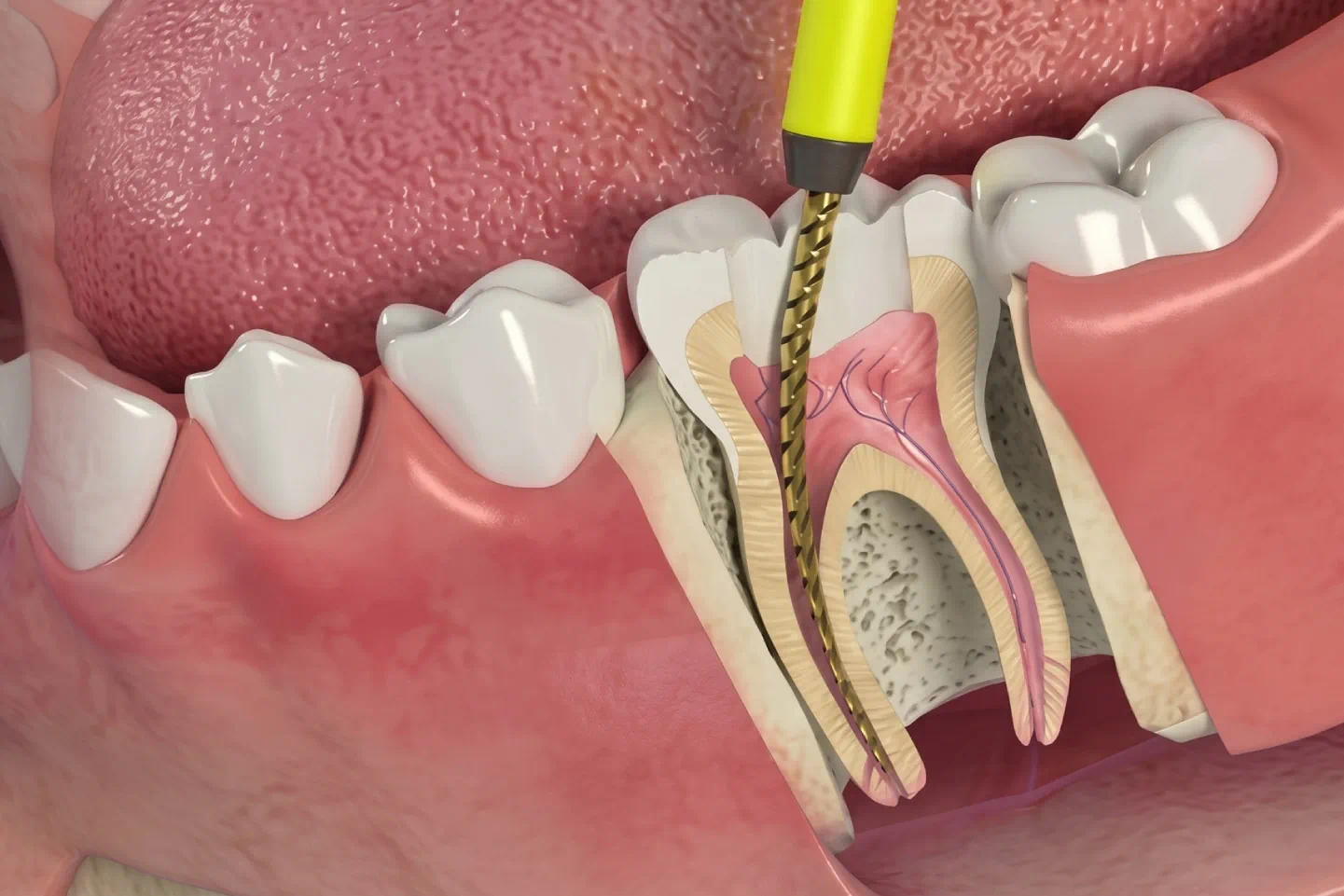
Yes, some throbbing after a root canal is normal. Mild to moderate aching, tenderness and a pulse in the tooth for the first few days is common, and it should ease a little each day. Pain that gets worse, comes with swelling or a fever, or does not settle after the first few days is not normal, and it is time to call your dentist.
A root canal is supposed to end tooth pain, so a tooth that throbs afterward can feel like a bad sign. In most cases it is not. The tooth has just been through a procedure, and the tissue around it needs time to calm down.
Why a treated tooth can still throb
During a root canal, your dentist cleans out the inflamed or infected tissue inside the tooth, shapes the canals, and seals them. The nerve that was causing the pain is gone from the inside of the tooth, but the area around the tip of the root is still very much alive, and it is the part that reacts.
That tissue has been inflamed, sometimes for weeks, and the cleaning process irritates it further before it heals. The result is a dull ache or a pulse that you feel when you lie down, bite down or press on the area. A few other things can add to the discomfort:
- The injection. Numbing a tooth can leave the gum or the muscle behind it sore, and some of the soreness you feel is from the injection, not the tooth itself.
- A tired jaw. Keeping your mouth open for a long appointment strains the jaw muscles, and the ache can be mistaken for tooth pain.
- A tooth that bites high. If the temporary filling is a touch too tall, that tooth hits first when you chew, and it hurts.
- Pain from somewhere else. Mouth pain is good at pretending to come from the wrong tooth, so what you feel can sometimes be a neighboring tooth or a crack.
It is also worth remembering that your pain before the procedure may have been severe. Compared with that, a manageable ache afterward is progress.
A rough timeline for the first week
Everyone heals at their own pace, so treat this as a guide and not a promise. According to the American Association of Endodontists, mild soreness or tenderness for a few days is normal, while severe, worsening or persistent pain should prompt a call to your endodontist. Healthline similarly reports that it is normal to have mild to moderate pain for a few days after a root canal.
- The first few hours. The numbness wears off, and you notice the tooth and the area around it. A dull ache is typical.
- Days one to three. This is when throbbing is most likely. Dental sources describe mild throbbing or aching in the first two to three days as part of normal healing. It may be worse at night, because lying flat sends more blood to your head.
- Days three to five. Most people notice a clear improvement. The tooth may still feel tender when you bite on it.
- The following week. Tenderness to chewing can linger. It should keep getting better, and it often fades fully once the tooth has its final restoration.
The direction of travel is what matters. Pain that is a little better each day is healing. Pain that gets stronger after the third day is a reason to call.
What helps at home
You can take the edge off the discomfort without much effort.
Take any pain medication exactly as your dentist told you. Over the counter pain relievers are often enough, but if you have a medical condition, take other medication or are not sure what is safe for you, ask us or your doctor before you take anything. Taking a dose before the numbness wears off can make the first night easier.
Chew on the other side of your mouth, and stick to soft foods for a few days. Skip anything hard, crunchy or very sticky on the treated tooth. Very hot and very cold food can irritate it, so lukewarm is the safe choice.
A cold compress on the outside of your cheek, in short stretches, can ease swelling and soreness. Keep brushing and flossing, but be gentle around the tooth. Sleeping with your head slightly raised can also stop the pulse from keeping you awake.
Normal healing and warning signs
Usually part of normal healing:
- Mild to moderate aching or throbbing that gets better each day
- Tenderness when you bite or press on the tooth
- A sore jaw or sore gum from the appointment
- Slight sensitivity for a few days
- A little tenderness in the gum near the tooth
Call your dentist if you notice:
- Pain that gets stronger after the third day, or becomes severe
- Swelling in your face, gums or jaw
- Fever, or a bad taste or pus near the tooth
- A bite that feels uneven or too high
- A temporary filling that has fallen out or broken
Some signs need faster action. If swelling spreads across your face or neck, or you have trouble swallowing or breathing, seek emergency care right away and do not wait for an appointment.
Your temporary filling or crown
After a root canal, the tooth is often left with a temporary filling or crown until the permanent restoration is ready. Because a tooth that has had a root canal can be more fragile, a permanent crown is commonly recommended to protect it. Until the final restoration is in place, go gently when you chew on that tooth.
If the temporary part comes out or breaks, call us. An unprotected tooth can get contaminated or crack, and it is a simple problem to fix early. We explain what the permanent restoration involves on our page about dental crowns.
When pain keeps going or comes back
Occasionally the discomfort does not settle the way it should, and there are a few common reasons why.
Sometimes there is still infection in a canal that was hard to reach, or an extra canal that was missed. Sometimes a hairline crack is behind the problem. Healthline notes that pain beyond the normal few days may call for additional cleaning of the canals or other treatment. In some cases, a tooth that was treated before needs to be treated again, and that is called retreatment.
None of this means something went terribly wrong. It means the tooth needs another look. The earlier you call, the simpler the fix tends to be, and an exam with an X ray can show what is going on.
If you ever find yourself wondering whether the tooth should have been saved at all, our post on root canal versus tooth extraction explains how that decision is made. If an infection is the worry, you may also want to read about antibiotics for a tooth infection, which covers when they help and when they do not.
How this pain differs from the pain you had before
Many people compare the two, and the difference is useful. The pain that sends someone for a root canal is often sharp, can wake you at night without any trigger, and lingers after hot or cold food. The soreness after treatment tends to be duller and more local, and it shows up when you press on the tooth or bite down. If what you feel afterward looks a lot like what you felt before, and it is not improving, mention that when you call.
Does the tooth you had treated make a difference?
It can. Back teeth often have more than one canal, so there is more to clean and more tissue that can feel tender afterward. A front tooth usually has one canal and may recover a little more quickly, and it is less likely to need a crown. Neither is a rule, and a molar that feels sore for a few days is not a sign of a problem by itself. The point is to compare your tooth with how the healing is going, not with a friend's experience.
Understanding root canal treatment before and after
Many people go into a root canal expecting the worst, partly because of what they have heard from friends. Much of that is outdated. If you would like a clearer picture of what is true and what is not, our post on common myths about root canal therapy is worth a read. And if you would like to know how we treat teeth that need this, see root canal treatment at Manteca Smiles.
If your tooth is not settling, call us
If you are unsure about what you are feeling, we would rather hear from you than have you sit at home worrying. Our team can tell you whether it sounds like normal healing, and if it does not, we can see you promptly. Take a look at our same day toothache care if you are in pain now, and you can read more about root canal treatment and endodontics in Manteca.
Frequently asked questions on Throbbing After Root Canal
Is throbbing normal 3 days after a root canal?
Mild throbbing can still be normal at three days, as long as it is easing. If it is getting stronger, or is severe, call your dentist, since pain that intensifies after the third day is one of the signs that something needs checking.
How long does pain last after a root canal?
Most people feel noticeably better within a few days. Tenderness when biting can last a little longer and often clears up once the tooth has its permanent restoration.
Is swelling normal after a root canal?
A little tenderness in the gum is common, but visible swelling of the face, gums or jaw is not. Call your dentist the same day, and seek emergency care if the swelling spreads or you find it hard to swallow or breathe.
Can a root canal tooth hurt weeks later?
It can, and it is worth getting checked. Pain that returns or never fully goes away may point to remaining infection, a crack, or a bite problem, and the tooth should be looked at rather than ignored.
Can I go back to work or eat normally after a root canal?
Most people can return to normal activities the same day or the next. Stick to soft foods and avoid chewing on the treated tooth until it has been restored, and follow any instructions you were given at your appointment.

See Why Patients Choose Manteca Smiles
Hear from our patients about their experiences at our Manteca dental office and why Manteca Smiles is the go-to choice for family and cosmetic dentistry. Our long-standing reputation is built on trust, comfort, and consistently positive outcomes.
Get in Touch with Manteca Smiles
Book your appointment at Manteca Smiles and enjoy trusted, family-friendly dental care in the heart of Manteca.


Monday to Thursday - 8.30 a.m. to 5:00 p.m.
Friday, Saturday and Sunday - Closed




© Manteca Smiles 2026. All Rights Reserved | Privacy Policy | Digital Marketing by Remedo